Does Bad Weather Change the Case for a Tunnel to Gozo?


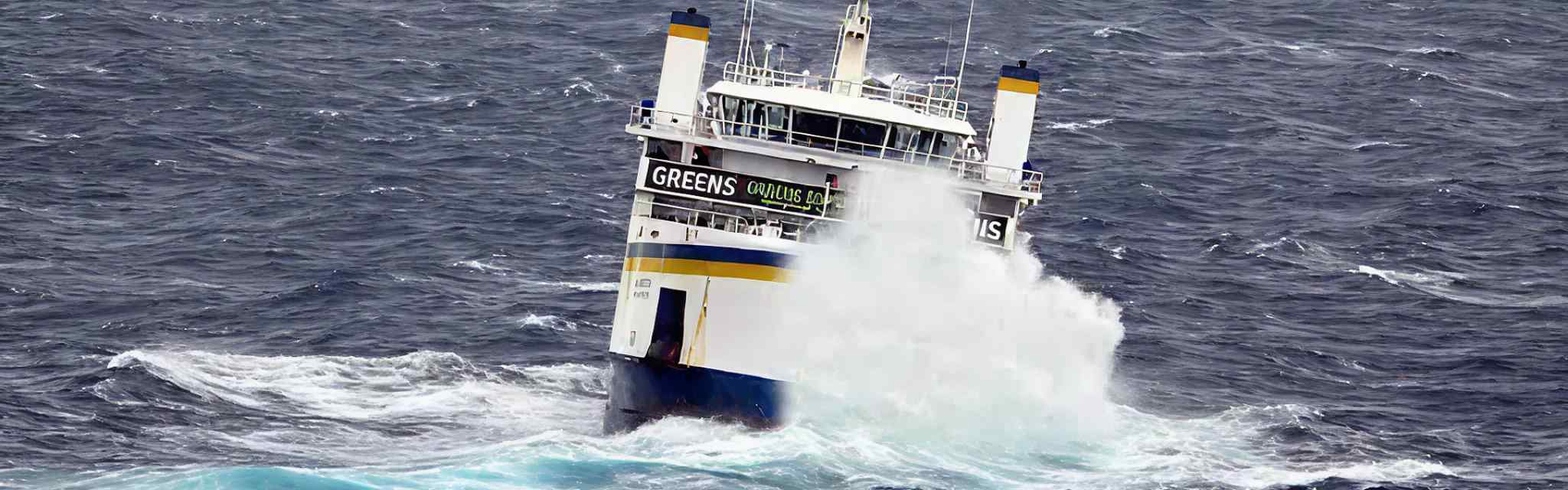
Every time rough seas disrupt ferry crossings between Malta and Gozo, a familiar question resurfaces. If weather can so easily cut off the island, does that mean a tunnel to Gozo is becoming more necessary?
It is a debate that has existed for decades and one that tends to intensify during winter, when fierce winds and heavy swells affect sea crossings. But while bad weather highlights real weaknesses in Gozo's transport links, it also raises broader questions about what kind of future Malta wants for its sister island.
What's Happened with the Gozo Tunnel Plan?
A long-standing idea and planning process for an undersea road tunnel connecting Malta and Gozo dates back many years, and even feasibility studies and tender processes were occurring. The project was actively pursued by the Maltese Government between 2019 and 2021. Infrastructure Malta even invited companies to pre-qualify and place bids to handle this huge project. However, such plans lost this momentum, and the Maltese Government shelved the idea by late 2022. In late 2023, Prime Minister Robert Abela said the Gozo tunnel is not currently a priority, and that the Maltese Government is focusing on other ways to improve connectivity.
How Bad Weather Affects Gozo Today
Gozo's connection to Malta depends almost entirely on sea travel. When conditions deteriorate, ferry crossings can be delayed, reduced, or temporarily suspended. For commuters, this can mean long waits, missed work, or uncertainty about getting home. For businesses, it can affect deliveries, staffing and scheduling. For residents, especially those needing medical appointments or essential services in Malta, the disruption can be stressful.

While these situations are not constant, they are regular enough to feel predictable. Winter weather in the Malta Channel is not an exception but a recurring reality, and each disruption reinforces how exposed Gozo is to the sea. The most recent example being the bad weather Malta and Gozo has recently seen with Storm Harry.
Why Weather is Central to the Tunnel Argument
Supporters of a tunnel often point to reliability rather than speed. The main argument is not that a tunnel would be faster than ferries, but that it would be more dependable. Unlike sea crossings, a tunnel would not be affected by waves or intense winds, offering a fixed, year-round connection between the islands.

Would a Tunnel Solve Weather-Related Disruptions?
A tunnel would certainly reduce weather-related cancellations. Underground connections are largely immune to rough seas, and crossings would become more predictable. Emergency access, supply chains, and daily commuting could benefit from this consistency.
However, a tunnel would not remove all weather-related risks. Heavy rain, flooding, accidents, or maintenance closures could still affect access. While it would shift the nature of disruption, it would not eliminate it entirely.
More importantly, reliability comes with secondary effects. Easier access tends to increase traffic, development pressure and daily movement between Malta and Gozo. These changes may be welcomed by some and resisted by others, but they are inseparable from the infrastructure itself.
What Could Change if Weather was No Longer a Barrier?
If severe weather no longer limited access, Gozo could become more integrated with Malta's daily rhythms. Commuting could increase, making it more feasible for people to live in Gozo while working in Malta. Businesses might expand operations, and tourism patterns could shift towards higher volumes and year-round activity.
For some, this would represent progress and opportunity. For others, it raises concerns about overdevelopment, congestion and the erosion of what makes Gozo distinct. Weather currently acts as a natural limiter, occasionally slowing the pace of life and reinforcing the island's separation.
Does Bad Weather Tip the Balance?
Harsh weather undeniably highlights the limitations of ferry-based transport. It strengthens the practical arguments for a tunnel by showing how vulnerable Gozo can be to forces beyond its control. From a reliability and accessibility perspective, the case becomes easier to understand.
At the same time, weather alone does not resolve the wider debate. The tunnel question is ultimately about trade-offs. Improved reliability must be weighed against environmental impact, traffic growth, development pressure, and long-term sustainability.
A Question Bigger Than Storms
Each winter storm brings the tunnel debate back into public discussion, but the issue itself is not seasonal. It is about what kind of island Gozo should be in the decades to come.
Severe weather may sharpen the question, but it does not answer it. Whether Malta needs a tunnel to Gozo depends less on rough seas, and more on how the country chooses to balance connectivity, identity, and long-term planning.
What Do You Think?
As bad weather continues to test the limits of ferry travel, the tunnel question is unlikely to disappear. For some, reliability and access matter most. For others, the cost to Gozo's character and environment feels too high. Where that balance should lie is not a simple technical decision, but a collective one. Does bad weather change how you see the case for a tunnel to Gozo, or does it reinforce the reasons to be cautious?

About Matthew Gollcher
Hi, I'm Matthew, an SEO Specialist and Content Writer at Yellow Pages Malta. I'm passionate about creating meaningful content and exploring AI's creative possibilities. When I'm not working, I enjoy the gym, time with friends, watching series and reading, and playing guitar. I'm always eager to learn and grow both personally and professionally.