How to Live on a €10 per day Budget while Travelling


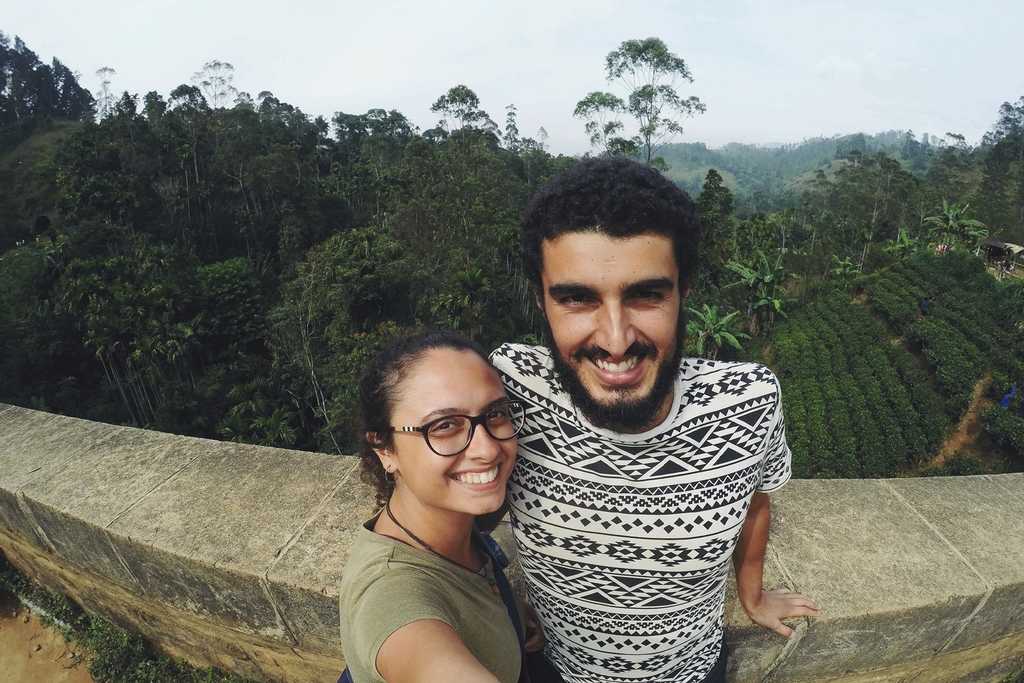
Travelling is always fun, especially if you love exploring unique places like us. Once the travel bug hits, there's no turning back! But you've got two options: work tirelessly to spend all your savings on a holiday OR travel on a budget to fly away more frequently and maintain a work-life balance.
In this article, we will help you understand better how we managed to survive 15 months of backpacking around Asia on just €10 per day including everything from flights and visas, to daily living expenses, health insurance and attractions of course.
Tackling the Basics: Food, Accommodation and Transport
First things first: food, accommodation and transport are the main expenses which need to be catered for daily. You need to work hard for these in order to spend less on them. Our trick in tackling these recurring expenses was to try to eliminate or reduce either of them as much as possible on a daily basis.
How do you pick accommodation?
Accommodation – if it's easy to find, then it's not for us. We rarely booked rooms online; we usually pinned cheap options found online on our map and showed up on the street looking for cheaper deals and trying to bargain. This took up a lot of our time so we would have given it a double thought if we didn't have unlimited time on our hands, but it helped us save a couple of euros every week.
Another huge money-saver, especially in expensive countries like Hong Kong, Oman and Singapore, was Couchsurfing. On this platform you can find strangers willing to host you on their couch for free. While this does save money, it also allows you to make connections and experience the local lifestyle. When couch surfing, you are expected to hang out with your host, unlike a hotel or rental apartment. With some considered judgement we also accepted invites from people we met on the street to stay at their place. Whenever we were on an outdoor adventure, camping saved our day!
Which modes of transport are most cost-effective when travelling?
Transport – best not imagine us sitting in a comfortable taxi and reaching our desired destination in a reasonable time. We have two preferred modes of transport: public transport and hitchhiking. We always opted for the lower-class tickets which are the cheapest option and which usually come without a reserved seat. Although 35 hours on a packed Indian train can be super tiring, those are the experiences we will never forget. Whenever we wanted to explore a place that is not accessible by public transport, we usually rented bikes for the day to avoid taking tours. Apps like Uber and Grab in Asia can come in handy too.
Where should you eat while travelling?
Food- this is the one thing we never compromised on. We're fine with sleeping in a spooky- looking room and having cold showers, but we won't go to bed hungry. Our go-to-places are street stalls and local food shops. Hotels and tourist restaurants are way more expensive in places like Asia and the quality and freshness of the food can be debatable. As a general rule, if the shop has an English menu and is full of tourists then you should avoid it. Follow the locals instead. Limiting alcohol consumption, especially in Muslim countries where it tends to be more expensive, is a good habit both budget and health-wise.
How should you go about flights and visas?
Apart from the daily expenses, we had frequent, inevitable travel expenses linked to logistics including flights and visas. We found that not having fixed or rigid travel plans on where to go next is ideal. That way we could jump in on any flight deal we found. In most cases we didn't know our next destination until a few weeks before.
On our 15-month Asia trip, we never paid for checked luggage. Having hand luggage-sized backpacks saved us around €20-€30 on every flight and also made our lives easier on those crowded buses and trains.
When it comes to visa expenses, there is not much to do to avoid them. However a few minutes of research about the best border to enter from and whether you should get your visa on arrival or from an embassy does help.
How do you save money while exploring attractions?
Getting there and surviving is good, but where is the exciting part? We are both very much intrigued by nature, diverse cultures and religions, and the plus side of this is that these are usually free. We never restricted ourselves from carrying out activities but always tried to do some ahead planning. We found out that teaming up with other travellers who we usually met at hostels or on buses can earn you discounts, but we also learnt to be selective. Visiting every museum or gallery in the city can be fun if you're on a one-week holiday, but it doesn't really make sense on a long trip.
To help you understand better what a typical day looked like, here's a little example from a day in Cambodia:
To round this up, here's a note on our daily budget. €10 per day is a total average expense which includes all costs. There were many days where we spent less and others where we spent more, especially when we paid for flights, visas, or some longed-for activity such as caving. While travelling on a super low budget is not for everyone, we feel it pushed us out of our comfort zones, helped us experience local cultures first-hand and added uncountable adventures to our travels.
Also explore how you can travel from home while self-isolating!
About Whereto360
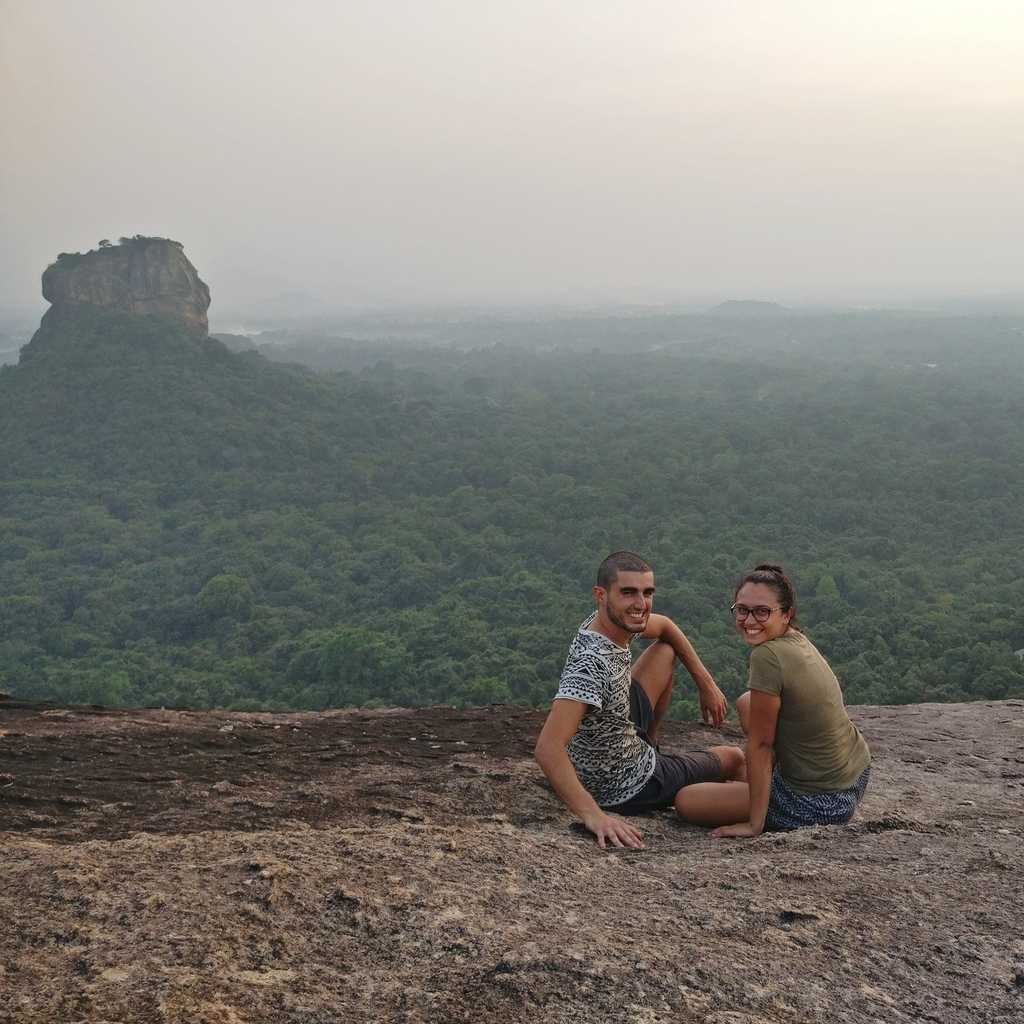
Sarah Farrugia & Shaun Azzopardi from Whereto360
Sarah and Shaun are a couple with a passion for travel and adventure. They quit their jobs to travel full time and that is where they decided to start sharing their tips and experiences with people who were closely following their journeys on Whereto360. They want to pass on the message that travelling and following one's dreams is not for an exclusive part of society. They travel on very small budgets and take on multiple challenges that push them out of their comfort zone to keep up with their travel plans. They recently returned from a 15-month trip around Asia, surviving on just €10 per day! Whenever they are in Malta, they organise many events for like-minded people to meet, connect and share ideas.