What Could Lm1 Buy You in Malta? How Much Life Has Changed Since the Maltese Lira


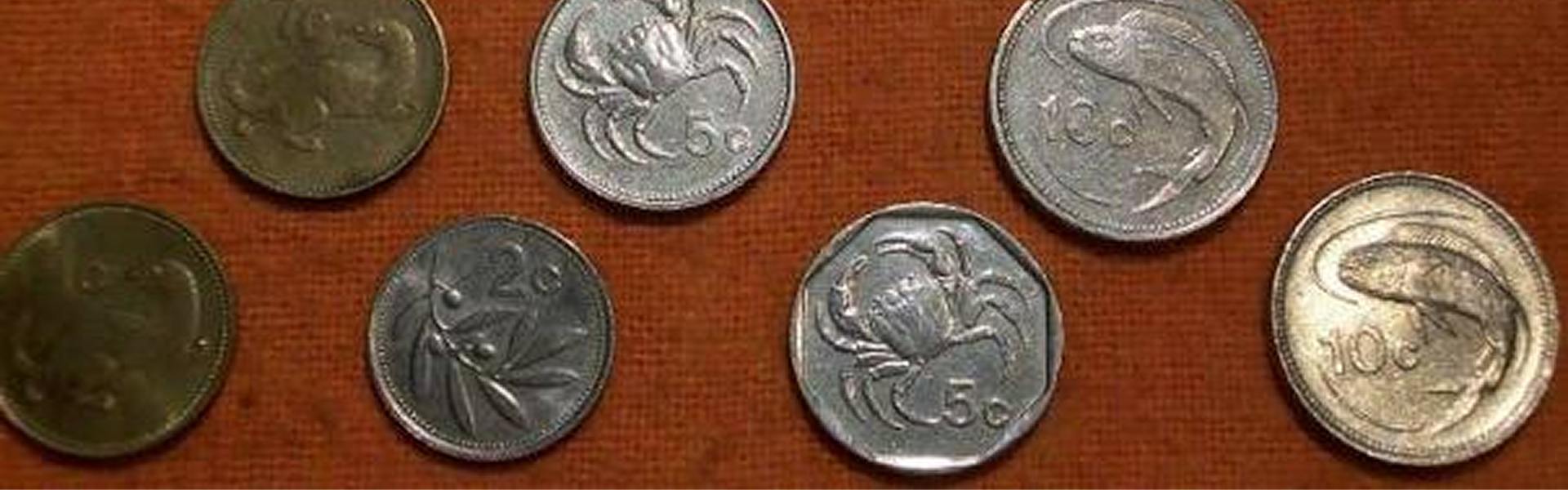
Anyone in Malta over the age of about twenty-five remembers it, and anyone older remembers it fondly: the Maltese lira, il-lira Maltija, the money the islands used right up until the euro arrived on the 1st of January 2008. The old notes, with President Agatha Barbara's portrait and their scenes of Maltese life; the chunky coins; the shopkeeper counting out change in cents and mils. For a whole generation, the lira was money.
And the older Maltese remember something else: what it could buy. A cup of coffee for a handful of cents. A full steak dinner for a little over a lira. A loaf of bread for the sort of price that makes younger people laugh in disbelief today. 'In my day,' the sentence always begins, 'you could get…'
So, let's take that nostalgia seriously and ask the question properly: what could Lm1 actually buy you in Malta, and what does the answer really tell us about how much life has changed? It turns out to be a more interesting question than it looks, because there are two different ways to answer it, and only one of them is the whole truth.
If you want to see the full history of Malta's currency, check out this article here.
First: What was the Lira?
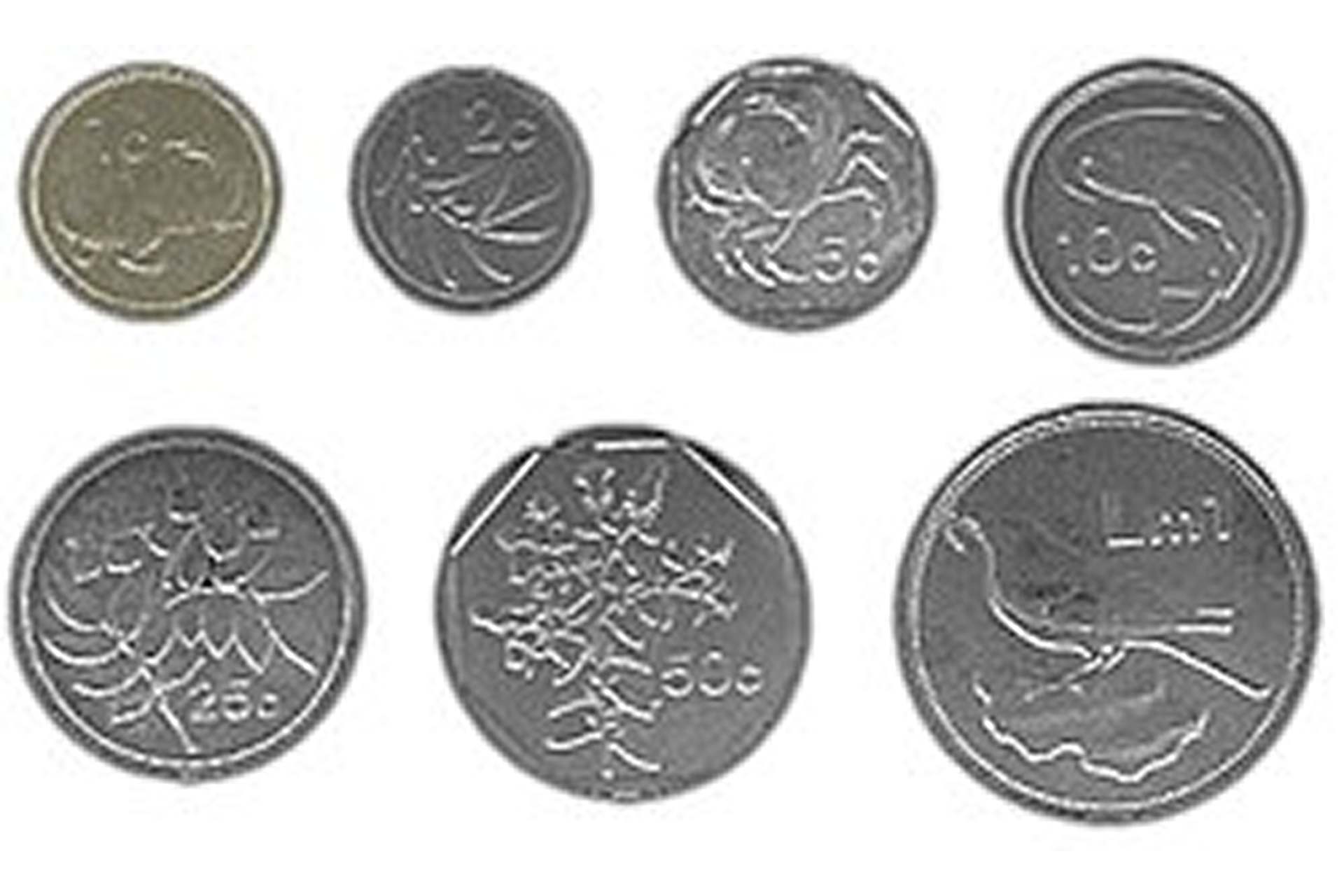
The Maltese lira was the currency of independent Malta from 1972 until the end of 2007. Confusingly, for much of that time it was officially called the Maltese pound in English (a legacy of the long period when Malta used British-style currency), and only became the 'lira' in English usage around 1986. Locals abbreviated it Lm. One lira was divided into 100 cents, and, for the truly detail-minded, each cent into 10 mils, those tiny fractions in which grocery prices were sometimes reckoned.
Here is the thing that surprises people, though: the lira was a genuinely heavyweight currency. It was one of the highest-valued currency units in the entire world. In its final years it was worth well over three US dollars and around £1.60 sterling, at one point, after the Kuwaiti dinar, the second highest-valued currency unit on the planet. A single Maltese lira was a serious amount of money. This is the crucial fact behind all the nostalgia: when older Maltese marvel that things cost 'just a few cents', remember that a Maltese cent was worth quite a lot, a hundred of them made up one of the strongest currency units in the world.
The Simple Answer: Lm1 = €2.33
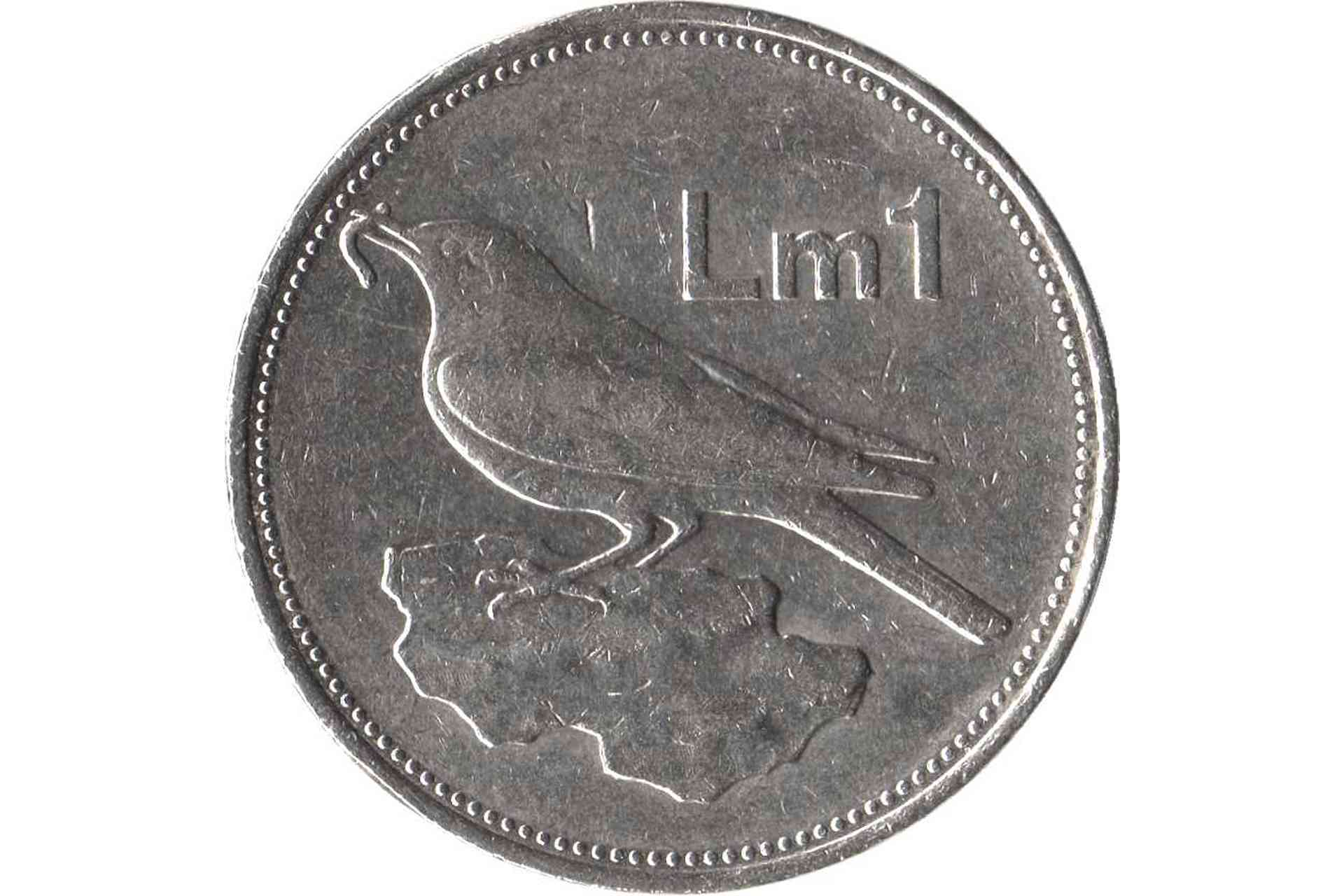
When Malta joined the eurozone on the 1st of January 2008, the conversion rate between the lira and the euro was fixed, permanently and irrevocably, at €1 = Lm0.4293, which works out at roughly Lm1 = €2.33. That rate is set in stone: to this day, if you still have an old lira in a drawer, that is the official euro value it represents.
So, at the simplest level, 'what could Lm1 buy you?' has a tidy answer: whatever €2.33 buys you today. In 2008 terms, that was a coffee and a small pastry, or a bus fare or two, or a cold Cisk, on a hot afternoon.
But, and this is the whole point, that answer is misleading, because it only tells you what a lira was worth at the very end of its life, in 2008. It tells you nothing about what a lira could buy in 1975, or 1985, or 1995. And that is where the real story of how Malta has changed is hiding.
The Real Answer? Depends on the Date.
The reason the simple conversion misleads is a force everyone has heard of and few of us truly feel until we look back: inflation. Over the decades, the same coin buys less and less, as prices creep relentlessly upward. So a Lm1 coin in, say, 1978 could buy vastly more than that same Lm1 (or its €2.33 equivalent) could buy in 2008, let alone today.
How much more? We can actually put real, documented numbers on this, because genuine artefacts from the lira era, old menus, old price lists, keep resurfacing, and they are startling.
Take a real Maltese restaurant menu from the late 1970s that surfaced a few years ago. On it, a cup of coffee cost 23 cents, not even a quarter of one lira. A serving of bread and butter was 10 cents. And a full T-bone steak with eggs and chips cost Lm1.50, one lira and fifty cents for a proper steak dinner. In other words, back then a single Lm1 wouldn't quite stretch to the steak, but it would very comfortably buy you several coffees, or a light meal with change to spare. Compare that with today, when a single cup of coffee in Malta will typically cost around €1.50, close to seven times the price on that 1970s menu.
Or take groceries. A price comparison that circulated recently, drawn from real Maltese figures for June 1971 versus November 1981, showed staples like bread at around 2 cents and sugar and milk at similarly tiny sums, prices, as one write-up put it, that 'seem almost impossible by today's standards'. These weren't giveaway prices at the time; they were simply what things cost when the lira was strong and the cost of living was a fraction of what it is now.
So the honest answer to 'what could Lm1 buy you?' is: it depends enormously on when you're asking, and the further back you go, the more astonishing the coin's power becomes.
Wages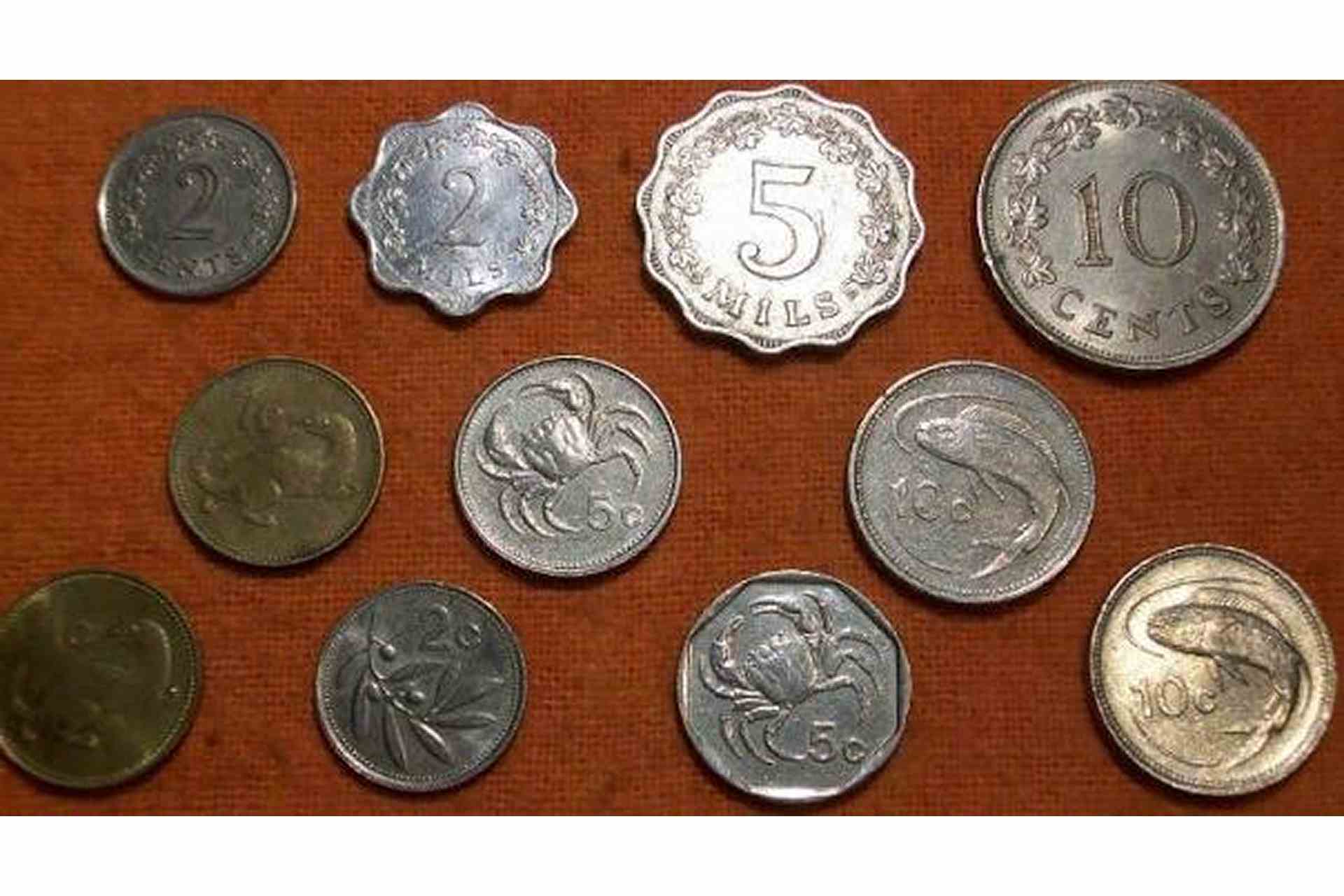
Before anyone starts pining too hard for the days of the 2-cent loaf, there is an essential piece of context that the nostalgic price lists always leave out: wages were much lower too. A cheap loaf is only cheap relative to what you earn, and the Maltese of the 1970s were earning a small fraction of what Maltese earn today.
The figures make this clear. In the late 1970s, Malta's minimum wage was roughly the equivalent of €200 a month. Today, the Maltese minimum wage is around €776 a month, nearly four times higher. So yes, that steak was Lm1.50, but it was Lm1.50 out of a monthly minimum wage of about Lm86. The cheapness is real, but it is only half the equation.
And here is where the numbers tell the genuinely important story. Since the 1970s, the prices of everyday things have risen by around seven times, while wages have risen only around four times. Put those two facts side by side and you can see, in cold arithmetic, one of the central anxieties of modern Maltese life: the cost of living has, over the decades, outpaced the growth in earnings. The nostalgia for cheap coffee is really, underneath, a very modern worry about whether wages keep up with prices and, measured this way, they have not entirely done so. That is the serious truth hiding inside the fun of the old menus.
So, What Could Lm1 Buy You?
Pulling it together: what could a single Maltese lira buy you?
Officially and forever, Lm1 equals €2.33, that is the fixed, unchangeable answer, and it's the value of any old lira still sitting in your drawer. But in real, lived terms, an Lm1 coin bought a wildly different amount depending on the decade: in the late 1970s it would have covered several coffees or a light lunch with change, a small fortune of everyday purchases by today's standards; by 2008 it bought roughly what €2.33 buys now. The coin stayed the same; the world around it inflated.
And the deeper lesson, once you look past the fun of the old menus, is a sobering and very current one. Since the days of the strong lira, the cost of living in Malta has climbed far faster than wages have, prices up around sevenfold, pay up around fourfold, and the record-breaking house price of one generation has become the ordinary asking price of the next. The Maltese who remember paying a few cents for a loaf are not misremembering; they are recalling, accurately, a genuinely cheaper world, one that was also, in equal measure, a poorer and more limited one.
So the next time an older relative tells you what things cost 'back in the day', believe them; the coffee really was 23 cents. But remember the other half of the story too: the wage that paid for it was a fraction of today's, and the Malta all around that strong little coin was a world away from the busy, prosperous, expensive island it has become. The lira is gone, and the euro is here. What the change in the money really measures is the change in Malta itself.

About Matthew Gollcher
Hi, I'm Matthew, an SEO Specialist and Content Writer at Yellow Pages Malta. I'm passionate about creating meaningful content and exploring AI's creative possibilities. When I'm not working, I enjoy the gym, time with friends, watching series and reading, and playing guitar. I'm always eager to learn and grow both personally and professionally.