5 Genuinely Good Things that Happened in the World this Week


It is easy to feel like the world is currently permanently stuck in crisis mode. Global politics, conflict, economic pressure, international noise, and just modern life can be very stressful. But even in these troubling times and during chaotic weeks, there are still real signs of progress, compassion, and practical change happening around the world.
This week brought a handful of genuinely encouraging developments, especially in public health and education. They may not all dominate social media feeds, but they matter. A lot. Here are five positive things that happened in the world this week.
1. Chile Becomes the First Country in the Americas to Eliminate Leprosy
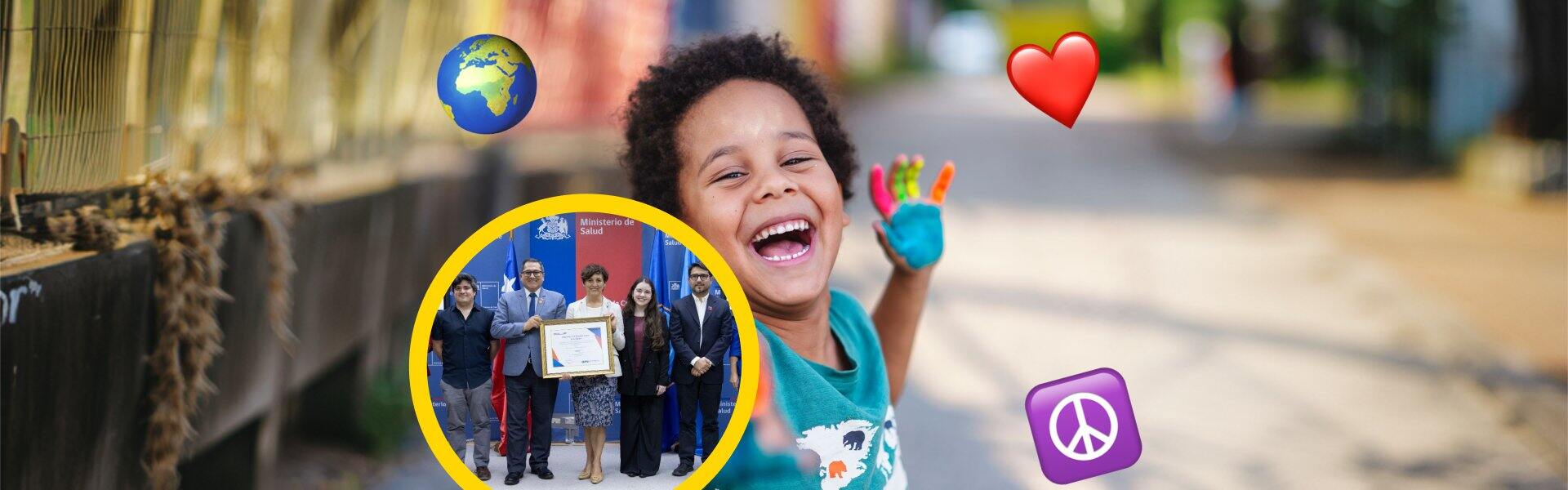
One of the most significant good-news stories of the week came from Chile, which was officially verified by the World Health Organization as the first country in the Americas to eliminate leprosy as a public health problem. WHO said Chile is only the second country in the world to reach this milestone, following more than 30 years without a locally acquired case.
This is the kind of progress that can easily go unnoticed because it is built slowly, over decades, through public health systems that work. It reflects prevention, surveillance, diagnosis, treatment and long-term follow-up all working together. At a time when global health stories often focus on what is going wrong, this was a powerful reminder that sustained effort can still produce extraordinary results.
2. India Launched One of the Biggest Cervical Cancer Prevention Efforts Ever

India also delivered a major piece of positive news this week with the rollout of what WHO described as the largest free HPV vaccination campaign in history. The initiative is expected to target nearly 12 million 14-year-old girls every year, helping protect future generations against cervical cancer.
Why does this matter so much? Because HPV vaccination is one of the clearest examples of prevention changing lives before illness even begins. Instead of only treating cancer later, this kind of campaign reduces risk early and at scale. In human terms, it means millions of girls receiving access to a vaccine that could protect them for years to come. In policy terms, it is exactly the kind of long-view decision more countries need.
3. Tuberculosis Testing Just Got A Lot More Accessible

Another important development came from WHO. It issued its first recommendations for simpler and more accessible tuberculosis diagnosis. The new guidance includes near-point-of-care molecular tests, tongue swabs that are easier to collect, and sputum pooling strategies that can reduce costs and improve efficiency.
This might sound technical, but its real-world impact is very human. Easier testing means more people can be diagnosed faster, more affordably and in more settings, including places where healthcare resources are limited. When it comes to infectious disease, practical improvements like this can save lives quietly, without ever becoming a viral headline.
4. Angola Secured Support that will Help Fund Education
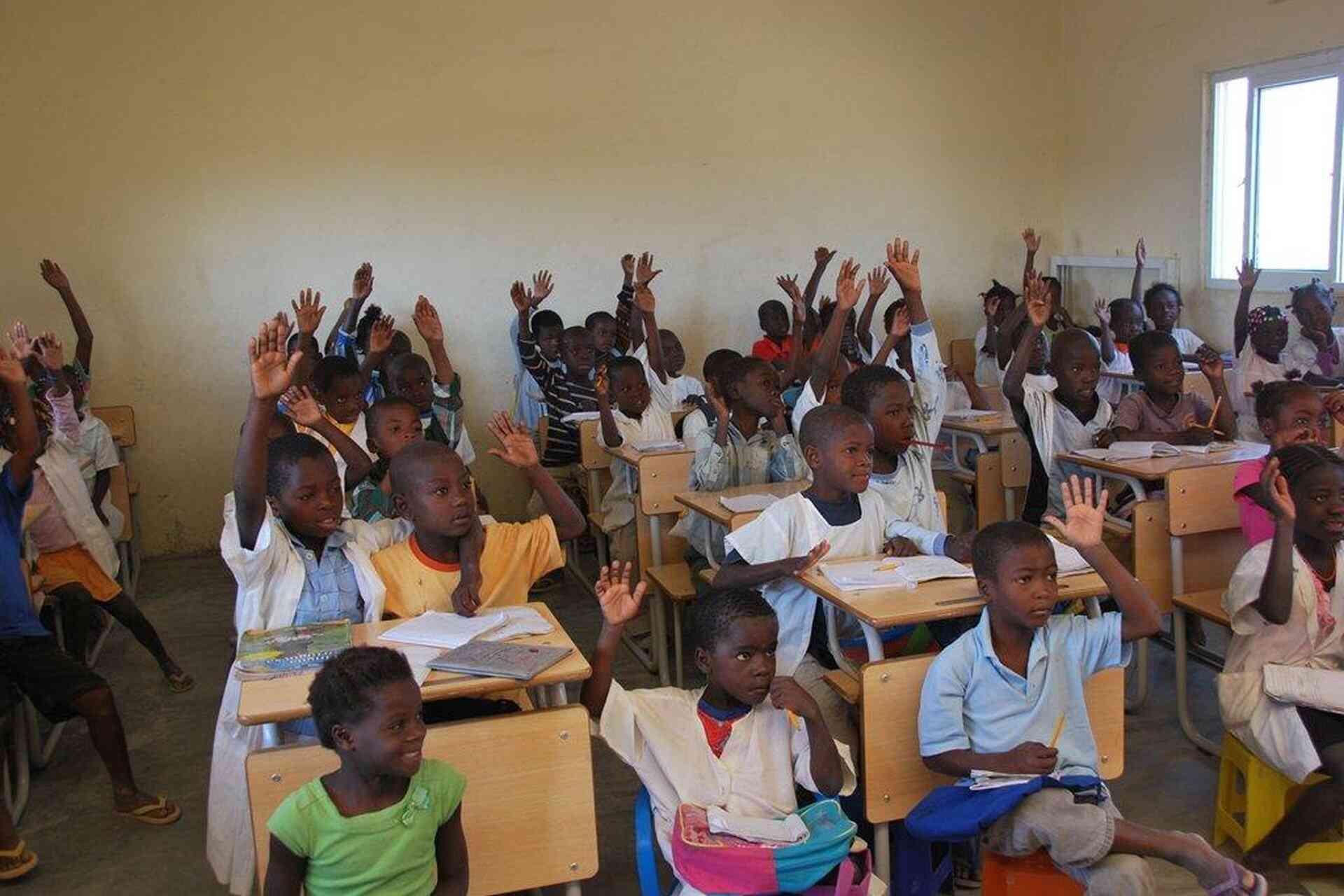
Good news this week was not limited to health. Angola secured backing from the World Bank and MIGA for a debt-for-education swap designed to create more fiscal space for investment in schools and related education priorities. Reuters reported that the structure allows Angola to repurchase up to $400 million in expensive commercial debt using cheaper financing, freeing up resources that can then be redirected into education.
This is a strong example of financial policy being used for something tangible and future-facing. Debt stories are usually framed in terms of pressure and instability, so it is refreshing to see a mechanism that could translate directly into more classrooms, stronger educational infrastructure and better long-term opportunities for young people. It is the sort of progress that does not make loud headlines but can have lasting impact.
5. Mozambique is Vaccinating against Cholera Preventing Massive Outbreaks

Mozambique provided another hopeful public health story this week as preventive cholera vaccination efforts resumed. It was reported that Mozambique became the first country to restart preventive vaccination after a pause caused by global vaccine shortages, marking an important shift from reacting to outbreaks to trying to stop them before they escalate.
That change in approach matters. Preventive healthcare is often less visible than emergency response, but it is usually far more powerful. With vaccine supply improving, the fact that countries can start getting ahead of risk again is genuinely encouraging. It suggests that global systems, while imperfect, are still capable of recovering and responding in smarter ways.
More Positive News to Come
Not every good thing arrives as a dramatic breakthrough. Sometimes it looks like a disease being eliminated after decades of work. Sometimes it looks like a vaccine reaching millions of girls. Sometimes it looks like better diagnostic tools, smarter public financing or the return of preventive action before crisis takes hold.
In a world that often feels exhausting, these stories matter because they remind us that progress still exists. It may be quieter than chaos, but it is real, and this week gave us at least five very good reasons to remember that.

About Matthew Gollcher
Hi, I'm Matthew, an SEO Specialist and Content Writer at Yellow Pages Malta. I'm passionate about creating meaningful content and exploring AI's creative possibilities. When I'm not working, I enjoy the gym, time with friends, watching series and reading, and playing guitar. I'm always eager to learn and grow both personally and professionally.