Hydraulic or Traction? Which lift is better for your premises?


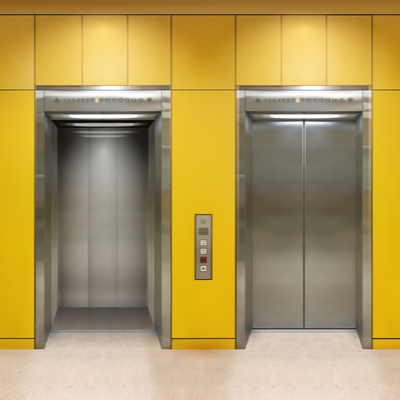
Behind a lift there is a whole world of mechanics which you'd likely not notice or don't see a difference. Some lifts are suitable for small buildings while others are ideal for larger commercial places or high-rise constructions. Here is a close look at the two most common types of lifts to understand better what you and your building require.
TRACTION LIFTS
How do they work?
Traction lifts are found in two models - geared or gearless. Nonetheless, both types function by use of a counterweight, driven by alternating current (AC) or direct current (DC) motors. The method of counterweight transports the cabin and the occupants in it up and down by traction steel ropes or belts.
Main features of a traction lift:
- Energy efficient
- Provides passengers a smoother ride than hydraulic lifts
- Suitable to install in medium-sized commercial buildings to high-rise buildings
- Can make up to 7 stops and more
- Fast-moving
- Moves up and down as far as 30 metres
- Suitable to transport passengers and also cargo, if with a widened cabin

HYDRAULIC LIFTS
How do they work?
The system of hydraulic lifts doesn't make use of overhead hoisting machinery like in traction lifts. On the contrary, in hydraulic lifts, the cabin is moved up and down by a fluid-driven piston mounted inside a cylinder. This fluid is typically oil-based. With hydraulic lifts being the most common type of transportation mechanism opted for, you can find them installed in many residential buildings.
Main features of a hydraulic lift:
Less expensive than a traction lift
Less maintenance and repairs required
Suitable in small buildings that are high as 5 storeys
Operates a slower pace than a traction lift
Takes a lot of energy to raise the cabin
Quick to install and electrically powered
Once you've looked at the main differences between the two types of lifts for your building, you also need to consider:
Space
Space is undoubtedly a deciding factor when thinking of installing a lift in a building. Be it with a macineroom or machine roomless, a hydraulic lift can be ideal for space-saving purposes when the available space for installation is restricted. This is because even if you purchase hydraulic lift with a machine, it can be mounted at the top of the shaft. On the other hand, a traction lift requires a larger space, even if it's machine roomless.
Cost
The cost differences between a traction lift and a hydraulic lift is quite evident. You'll certainly pay more for a traction lift, but it's more energy efficient since it doesn't use an electric pump to lift the cabin. A hydraulic lift costs less and requires less maintenance on the other hand.

Whether you need a lift to make movement within your house, block of apartments, or commercial premises more accessible, it's always important to keep in mind the type of building and its foundations to ensure a safe installation.
Consult with the experts at Apex Lifts here to know more about which lift suits your property best.