


Triton Fountain Malta: A Living Legend in 2025


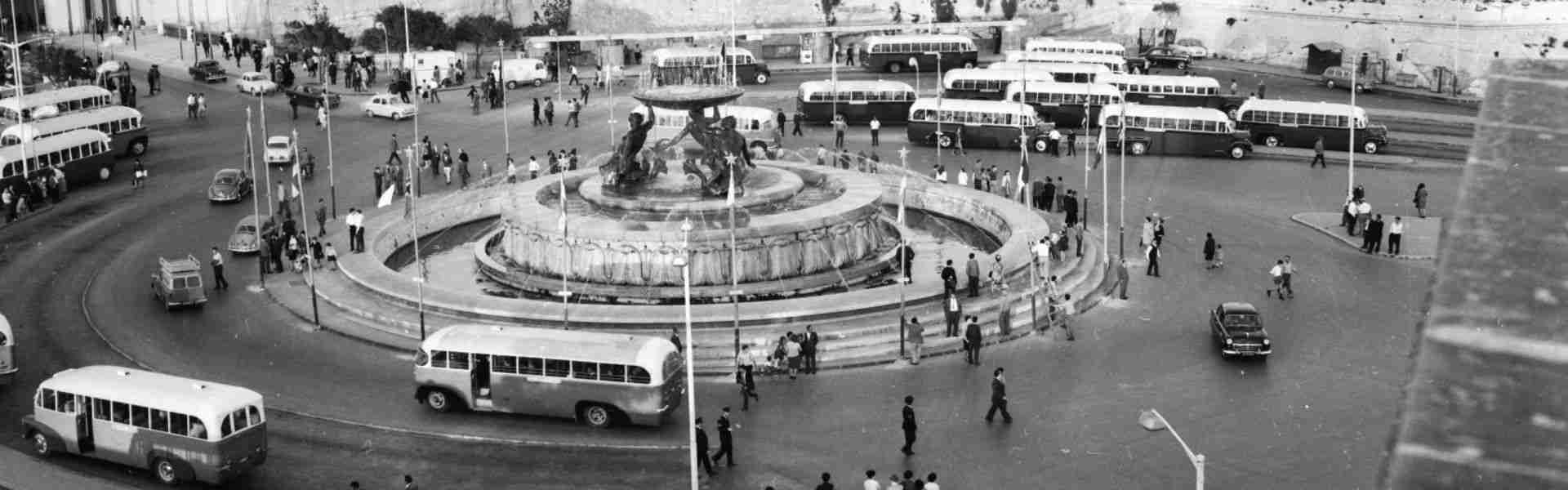
You're stepping off the bus at Valletta's bustling terminus, the Mediterranean sun warming your face, and there it is... three bronze sea gods holding court at the capital's grand entrance, water dancing around them in an eternal ballet. Welcome to the Triton Fountain, Malta's most photographed meeting point and a testament to the island's enduring love affair with the sea.
Whether you're a first-time visitor searching for the best things to do in Malta or a local who's walked past these mythological mermen a thousand times, the Triton Fountain continues to captivate hearts and minds in 2025. From its dramatic resurrection story to its starring role in Malta's cultural celebrations, this iconic Valletta landmark has more tales to tell than Poseidon himself!
A Fountain Born from Competition and Creativity: The History of Malta's Most Famous Water Feature
Back in 1953, when Malta was finding its feet in the post-war era, the Ministry for Public Works and Reconstruction faced a challenge. The Kingsgate Roundabout at Valletta's main entrance looked, well, rather uninspiring for a UNESCO World Heritage city entrance. What better way to enhance the capital city Malta gateway than with a monumental fountain that would make visitors stop in their tracks?
Enter the dynamic duo behind this Maltese tourist attraction: sculptor Chevalier Vincent Apap and chief draughtsman Victor Anastasi. These creative minds didn't just win the competition with their "Triton" proposal; they created a masterpiece that would define Valletta sightseeing for generations to come.

The judges praised it for its "simplicity, effectiveness and artistic merit" though anyone who's seen this Maltese historical site up close knows there's nothing simple about hoisting a 5-metre diameter basin into the air! The total cost of construction was approximately £80,000 in old money, a significant investment for the time.
The Design That Defies Time: Understanding Malta's Triton Fountain Architecture
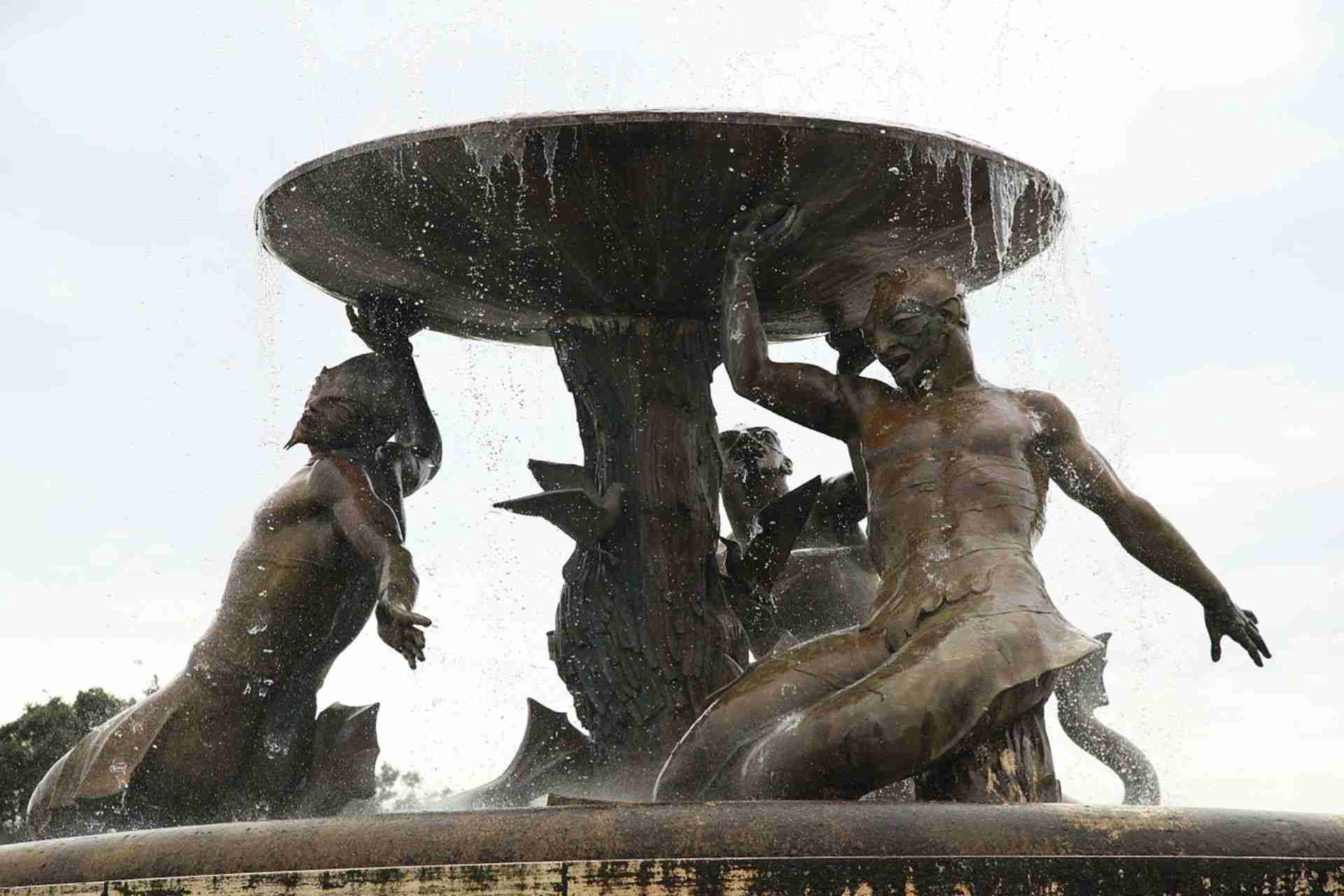
Let's explore what makes this Valletta attraction so special. Three bronze Tritons (that's the fancy term for mermen, in case you're wondering) support a massive basin that weighs approximately three tons. Two are sitting pretty, while the third kneels, all balanced on a seaweed base that looks like it could have been plucked straight from Neptune's garden.
Here's a fascinating fact for your Malta travel guide: no matter which angle you approach City Gate Valletta from, you can see at least one Triton's face gazing back at you. This clever design element makes it one of the most Instagram-worthy spots in Malta, perfect for those seeking Malta photography locations.
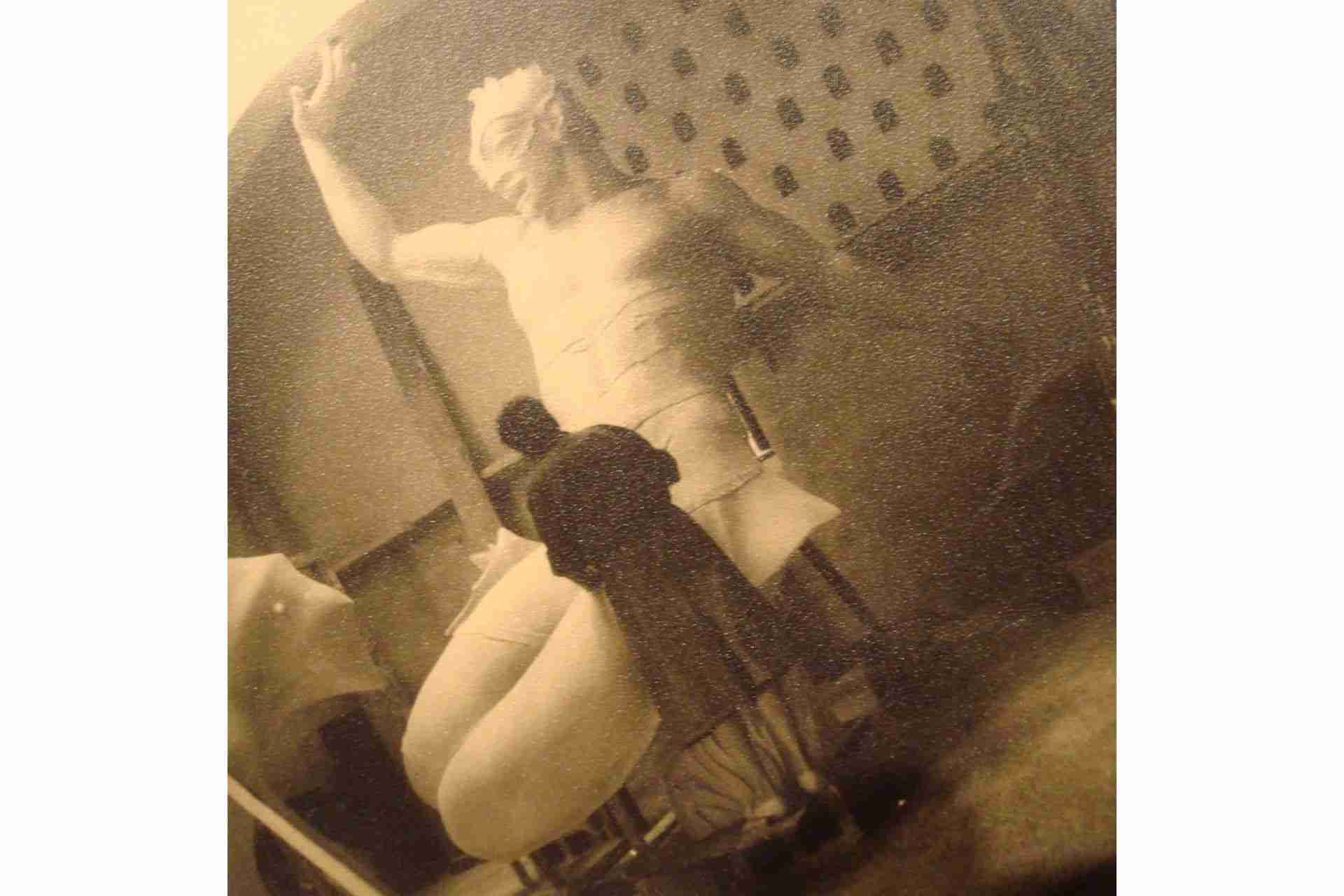
The entire monument sits on four concentric ponds clad in a staggering 730 tons of Roman travertine slabs. Yes, you read that right... 730 tons! These weren't just any old stones either; they were quarried from the Montecatini quarries of Apuania in Carrara, the same region that gave us Michelangelo's marble masterpieces. This attention to detail places the fountain among the must-see historical landmarks in Malta.
From Glory Days to Dark Days: The Triton Fountain's Journey Through Time
The fountain's life story reads like a Mediterranean soap opera, making it a fascinating stop on any Valletta walking tour. After its unofficial opening on 16 May 1959 (political turmoil meant no grand ribbon-cutting ceremony), it quickly became THE spot to meet friends before exploring Valletta nightlife.
As "Malta's Most Majestic Meeting Point," it stood at the edge of Valletta as a fountain full of history and rebirth. Those vintage Malta postcards from the 1960s and 70s you see in souvenir shops? The Triton Fountain featured on most of them!
But fame came at a price for this popular meeting point in Malta. The fountain's prime location at the Valletta bus terminal made it an irresistible stage for all sorts of Malta events. Concert organisers used it as a performance platform, adding stage structures that put enormous strain on the bronze figures.
Believe it or not, motorcycles were driven up specially-built ramps to zoom around the basin! Talk about extreme Malta entertainment gone wrong...
All this wear and tear took its toll on one of Malta's heritage sites. The added weight from stage structures proved catastrophic, weakening the overall structure. Together with natural deterioration, the tank mounted inside the basin failed to limit the water supported inside, causing an excessive amount of water to remain in the platter.
On a fateful Wednesday afternoon, 1 March 1978 at approximately 14:00hrs (2:00 PM), disaster struck. One of the Tritons' arms broke under the strain, causing the platter to collapse and resulting in significant damage to two of the three Tritons. The fountain stopped functioning for decades, sending shockwaves through Malta tourism. The fountain that had welcomed millions to Valletta lay broken, a shadow of its former glory.
The Phoenix Rising from the Waters: Restoration of Malta's Iconic Fountain
After a patched-up Malta restoration project in the 1980s, the fountain limped along for decades. The Malta Drydocks engineers carried out repairs between January 1986 and April 1987, costing around Lm10,000 (Maltese Lira).
This intervention added a rather ungainly central pillar (complete with bronze seagulls) to support the damaged structure. Ironically, the central pillar was designed by Vincent Apap himself, even though he was against this repair work. The pillar was cast in bronze in Verona, but these interventions were widely criticized as "inartistic" and destroying the fountain's original harmony.
It wasn't until 2011, when renowned architect Renzo Piano began redesigning Valletta's entrance, that serious heritage conservation Malta talks began.
Initially, Piano's Valletta regeneration plans wanted to relocate the fountain. Can you imagine removing such an important Maltese cultural heritage site? Thankfully, the Heritage Planning Unit stepped in, and in 2012, the Triton Fountain earned its rightful Grade 1 listed property Malta status, joining other protected Malta monuments.

The full restoration project that followed in 2017 was nothing short of miraculous. The fountain was completely dismantled and shipped to Florence for professional restoration, finally returning to its original glory.
In February 2017, the Tritons took a working holiday to Florence, where master craftsmen at an artistic foundry worked their magic. This Malta heritage restoration saw the concrete that had been poured into them over the years removed, and a stainless steel structure installed to provide proper support. The result? No more ugly central pillar!
The figures were treated to a coating of microcrystalline wax and restored to their original azurite blue patina, bringing back the colour that represents Malta's strong connection to the sea and Mediterranean heritage. Meanwhile, back in Malta, workers expanded the underground area to over 500 square metres, creating a proper plant room that the original designers Vincent Apap and Victor Anastasi could only have dreamed of when they created the fountain in the 1950s.
A Fountain Reborn for the Modern Age: Visiting the Triton Fountain in 2025
On 12 January 2018, after 59 years, the Triton Fountain finally got its official inauguration, becoming once again a top Valletta tourist spot. Prime Minister Joseph Muscat did the honours, and suddenly, Malta's mermen were back in business!
Today, this Malta point of interest is more spectacular than ever. By day, it's a magnificent sculpture that perfectly frames the entrance to Valletta Malta. But come nightfall? That's when the real magic happens at this Valletta evening attraction.
State-of-the-art Triton Fountain illumination transforms the bronze figures into glowing guardians, while the water fountain displays create an ever-changing spectacle that has visitors reaching for their cameras faster than you can say "Malta Instagram spots"!
More Than Just a Pretty Fountain: Cultural Events at Malta's Triton Fountain 2025
Fast forward to 2025, and the Triton Fountain isn't just resting on its watery laurels. During the Malta School Games 2025 launch, secondary school students paraded from the Education Ministry in Floriana to the Triton Fountain in a symbolic Torch Relay, proving that this landmark continues to play a central role in Malta national celebrations.
The fountain has also become a hub for Malta cultural events throughout the year. From Malta sunset boat parties to Valletta scavenger hunts, meditation gatherings to Malta comedy shows, the plaza around the fountain buzzes with activity. It's no longer just a meeting point in Valletta; it's a cultural epicentre where Malta's past and present collide in the most spectacular way. Check Malta event calendars for the latest happenings at this vibrant Malta venue.
Planning Your Visit: Triton Fountain Valletta Practical Information
Planning to visit Malta's landmarks? Here's your complete Triton Fountain visitor guide:
- How to get to Triton Fountain: Located just outside the City Gate, the fountain now greets thousands of locals and visitors every day as a true cultural landmark. The fountain sits right at Valletta's entrance, making it impossible to miss on any Malta sightseeing tour. The Valletta Bus Terminus is located nearby, with Malta public transport routes like 31, 45, 48, 51, 52, 61, and 88 stopping close by. If you're arriving from Malta International Airport, the new TD4 route provides a direct Malta airport transfer to Valletta.
- Best time to visit Triton Fountain: The golden hour photography Malta enthusiasts love when the fiery hues in the sky complement the playful water feature, or night-time, when the entire fountain light show is in full swing. The evening illumination creates a magical atmosphere, with the bronze Tritons glowing against the night sky.
- Triton Fountain underground tours: Did you know that by prior appointment with the Public Works Department through the Triton Fountain Curator, you can actually visit the 500+ square metre underground complex? It's a fascinating glimpse into the Malta engineering marvels that keep those water jets dancing! This exclusive Malta guided tour offers unique insights into the fountain's mechanics and the extensive restoration work completed.
The Eternal Tug of War: Local Stories About Malta's Triton Fountain
Here's a juicy bit of Maltese local history that tour guides won't tell you: the Triton Fountain was the subject of a bitter feud between Valletta and the suburb of Floriana, with both insisting that the entrance to the city falls under their jurisdiction. Technically, the fountain is located in Floriana, though it sits right at Valletta's entrance.
Its location, right before the bridge leading into the city, has always been "disputed territory" in Maltese politics. During the 2015 restoration, there was even talk of relocating it to Floriana, but public outcry quickly squashed that idea!
A Symbol That Stands the Test of Time: Why the Triton Fountain Matters in 2025
In 2025, the Triton Fountain remains more than just a pretty Malta water feature. It's a symbol of Malta's resilience, artistic heritage Malta celebrates, and deep Malta connection to the sea. Those three bronze figures, forever holding their basin aloft, remind us that some Malta monuments are worth preserving, worth fighting for, and worth celebrating.
Whether you're exploring Malta attractions, catching the hop on hop off bus, or simply pausing to admire this, Valletta must see, the Triton Fountain continues to work its magic. It's weathered political upheaval, structural collapse, and countless restoration debates, emerging each time as an even more magnificent Malta historic landmark.
Experience the Magic: Your Malta Travel Itinerary Must Include the Triton Fountain
So next time you're planning what to see in Valletta, take a moment to really appreciate those mythological figures. See how the water catches the light, how the bronze gleams in Malta's sunshine, how the entire composition speaks to Malta's maritime heritage. This isn't just a fountain; it's a piece of Malta's living history that continues to make waves in the heart of every visitor exploring Maltese culture.
After all, in a world of constant change, isn't it reassuring to know that some Malta UNESCO sites not only survive but thrive? The Triton Fountain isn't just guarding Valletta's entrance; it's guarding a piece of Malta's soul. And judging by the crowds that still gather here daily for Malta photo opportunities and Malta memories, it's doing a pretty spectacular job!
For those seeking Malta day trips or Valletta half day tours, the Triton Fountain makes the perfect starting point for exploring the capital. Its central location near Malta transport links means you can easily combine a visit with other nearby Valletta attractions like the Upper Barrakka Gardens, St John's Co-Cathedral, or the Grand Master's Palace.
Quick Facts: Triton Fountain Malta at a Glance
- Location: Valletta entrance, Malta (Gateway to the UNESCO World Heritage City)
- Built: 1959 (Designed in the 1950s, completed in 1959)
- Restored: 2017-2018 (Full restoration including shipment to Florence)
- Designers: Sculptor Vincent Apap & Draughtsman Victor Anastasi
- Materials: Bronze Tritons & Roman travertine (730 tons of stone)
- Weight: 3-ton bronze basin supported by mythological figures
- Best photo time: Golden hour & night illumination
- Nearby: Valletta Bus Terminus, City Gate
- Status: Grade 1 Listed Monument, Malta's Most Majestic Meeting Point
- Symbolism: The three Tritons represent Malta's strong connection to the sea and Mediterranean heritage
Looking for more Malta travel guides? Plan your perfect Malta holiday with Yellow Pages Malta. Discover the best restaurants in Valletta, Malta shopping districts, and Malta accommodation near the Triton Fountain. Fancy discovering more Malta historical sites? Check out our Culture section for fascinating stories about Malta heritage tourism and the islands' rich cultural attractions.

#/media/File:Malta_-_Valletta_-_Vjal_Nelson_-_Triton_Fountain_02_ies.jpg)
#/media/File:The_Triton_Fountain.jpg)