The Story Behind Malta's Colourful Balconies


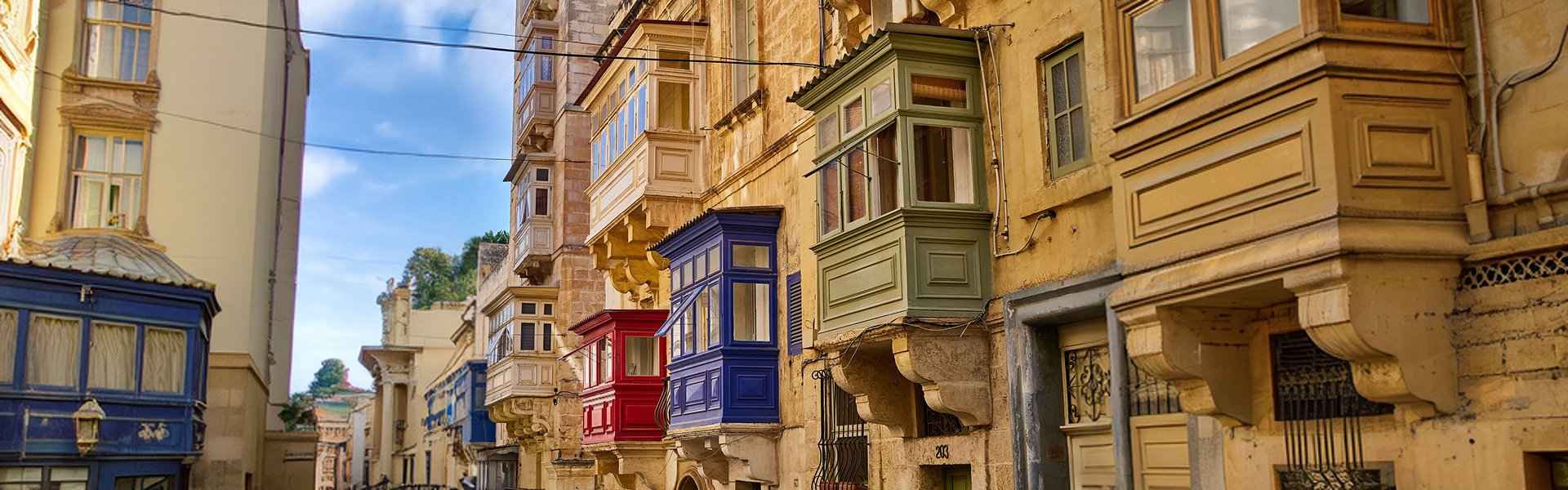
Walking through the streets of Malta's historic towns, one feature immediately stands out: the colourful wooden balconies that seem to hang above narrow limestone streets. From Valletta to Mdina and the Three Cities, these distinctive structures have become one of the most recognisable elements of Maltese architecture.
Known locally as gallariji, these enclosed wooden balconies are far more than decorative additions. Their origins, design and purpose reveal a fascinating blend of Mediterranean influences and practical solutions suited to Malta's climate and urban life.
The Origins of the Maltese Balcony

Although balconies are now strongly associated with Malta, they were not always part of the island's architecture. Historical paintings of Valletta show that enclosed wooden balconies did not appear until the late seventeenth century. One of the earliest recorded examples dates to around 1675, near the Grandmaster's Palace in Valletta. During the eighteenth century, as Baroque architecture spread across the island, these balconies gradually became more common, especially in the capital and the harbour cities.
Over time, they evolved into a defining architectural feature that would come to characterise Maltese streetscapes.
Influences from the Mediterranean

The design of Malta's enclosed balconies is believed to have been influenced by architectural styles found across the Mediterranean, particularly the mashrabiya, a wooden lattice structure traditionally used in North Africa and the Middle East.
These structures allowed residents to observe activity outside while maintaining privacy inside the home. They also helped regulate airflow and provide shade from strong sunlight, an idea that suited Malta's warm climate perfectly. When adapted locally, this concept evolved into the fully enclosed wooden balconies seen across Malta today.
Practical Design for Island Living

While the colourful balconies add visual charm to Malta's towns, their original purpose was highly practical. The enclosed design allowed air to circulate through the home, helping to cool interiors during the warmer months. At the same time, the wooden structure filtered sunlight and reduced heat entering the building.
Balconies also allowed residents to look out onto the street below without being fully visible themselves. In Malta's narrow streets, they became something of a social vantage point where people could observe daily life unfolding beneath them.
Why the Balconies Are So Colourful
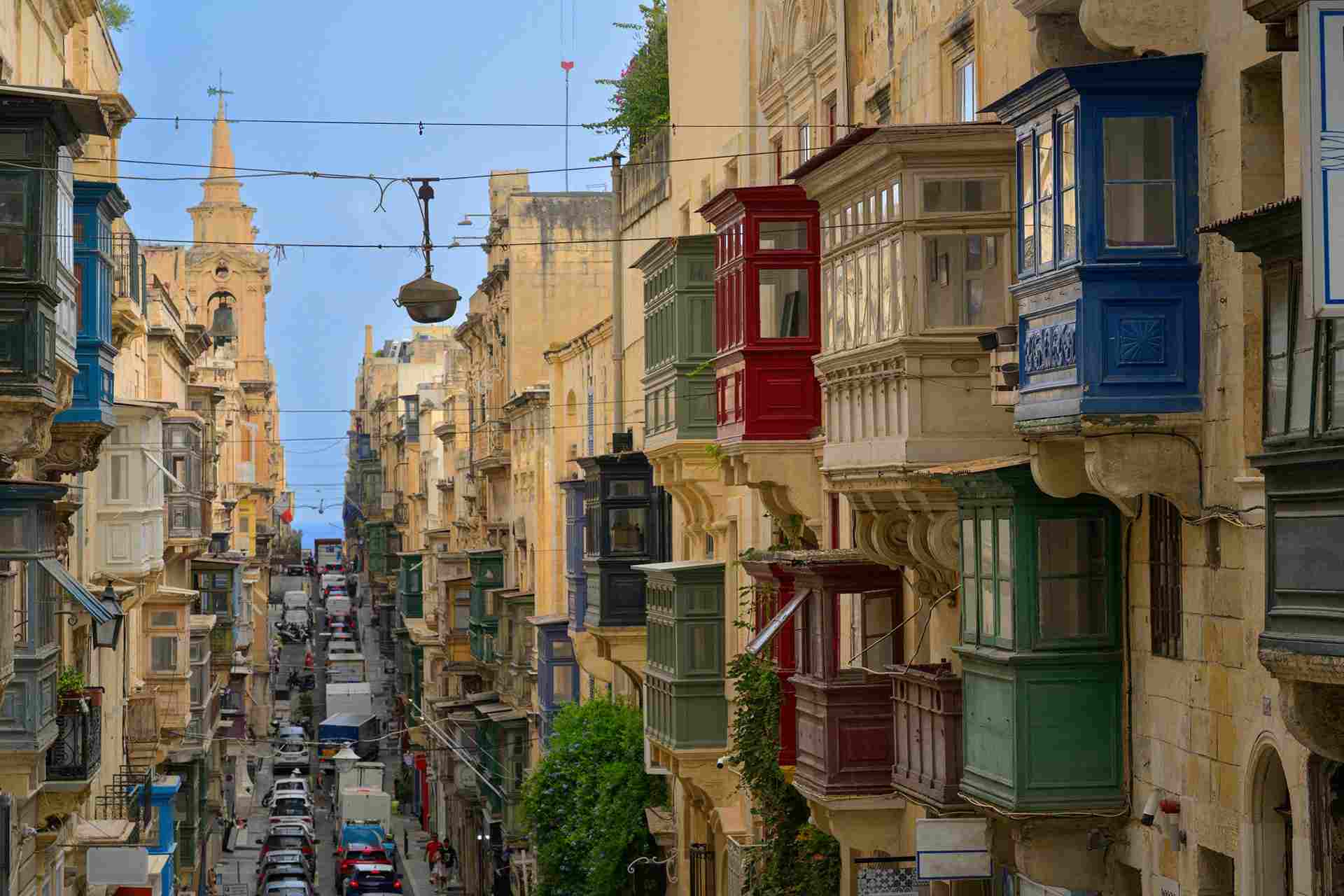
One of the most distinctive features of Maltese balconies is their bright colours. Shades of blue, green, red and yellow are commonly seen across towns and villages. Originally, painting the wood served a practical purpose. The protective layer helped shield the timber from sun exposure and salty sea air, which can quickly damage untreated wood.
Over time, the colours also became a way for homeowners to express individuality and pride in their homes. Against the warm honey-coloured limestone used throughout Malta's buildings, these colourful balconies create a striking contrast that gives the streets their vibrant character.
A Lasting Symbol of Maltese Identity
Today, Malta's colourful balconies have become much more than architectural details. They are a symbol of the island's identity and heritage, frequently appearing in photographs, artwork and travel imagery. Many historic buildings continue to preserve and restore these balconies carefully, ensuring that this distinctive feature remains part of Malta's architectural landscape.
The gallarija offers more than just a splash of colour, it tells a story of history, culture and everyday life. A small but beautiful reminder of Malta's unique character.

About Matthew Gollcher
Hi, I'm Matthew, an SEO Specialist and Content Writer at Yellow Pages Malta. I'm passionate about creating meaningful content and exploring AI's creative possibilities. When I'm not working, I enjoy the gym, time with friends, watching series and reading, and playing guitar. I'm always eager to learn and grow both personally and professionally.