Mdina After Dark: Why It Hits Different


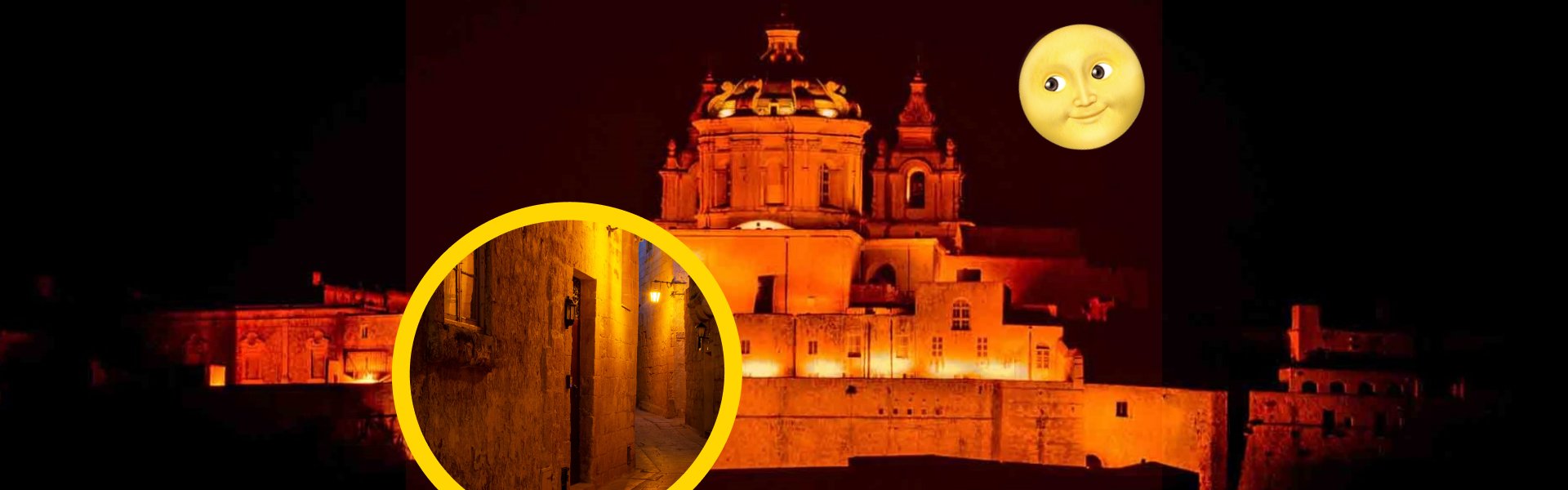
Mdina is beautiful at any time of day, but at night it becomes something else entirely. In daylight, it is a must-see stop. After dark, it feels personal. The crowds thin out, the pace drops, and the city's stone streets start doing what they do best, holding atmosphere.
There is a reason Mdina has carried so much weight in Maltese history. It is Malta's old capital, and its story stretches back thousands of years, with roots tied to early fortified settlement on the hill and later layers of Phoenician, Roman, and medieval history. That depth is already impressive in the daytime, but at night it feels less like a history lesson and more like a mood.
The Silence is the Point

People call Mdina the Silent City for a reason, and it is not just branding. The quiet hits you almost immediately once you pass through the gate and move deeper into the streets. Even when there are visitors around, the soundscape changes. You hear footsteps, a distant conversation, maybe a door closing, but not the usual rush you get in other parts of Malta.
Part of that atmosphere comes from the city's restricted vehicle access, which helps preserve that calm, almost suspended feeling. At night, with less movement and softer lighting, that quiet becomes the main attraction. It is the kind of place where you naturally lower your voice without thinking about it.
The Lighting Does Half the Work

Mdina's limestone already has that warm golden tone in the sun, but after dark it takes on a completely different character. Under streetlamps and façade lighting, the walls look deeper, richer, and more dramatic. Corners feel cinematic. Narrow streets look longer. Doorways and balconies stand out in a way they do not during the day.
This is also why Mdina works so well for an evening walk even if you are not planning anything specific. You do not need an itinerary. You just move through the lanes, turn where it looks interesting, and let the city do the rest. The architecture carries the experience. The silence sharpens it.
The Landmarks Feel More Dramatic at Night
Some of Mdina's best known places feel completely different after sunset. St Paul's Cathedral, which dominates the narrow streets and the main square, has a much stronger presence at night. In daylight it is impressive. In the evening, it feels almost theatrical, especially when the square is quieter and the building is lit against the dark sky. It is a 17th century cathedral dedicated to St Paul, and it is one of those landmarks that really anchors the whole city.
Even if museums and attractions are closed by the time you arrive, it is still worth knowing what is around you. The Mdina Local Council promotes various sites in and around the city area, including the National Museum of Natural History, the Cathedral Museum, the Mdina Dungeons, The Mdina Experience, and Tales of the Silent City. During the evening, you may be seeing these places from the outside, but the setting itself still gives you the sense that every street has a story attached to it.
It Is One of the Best Night Walks in Malta
Mdina after dark is not about doing a lot. It is about being there. That is exactly why it works so well.

You can come for a slow walk, a quiet catch up, a date night, or just a reset after a long day. You do not need a packed plan, and you do not need to force the experience. The best version of Mdina at night is often the simplest one, entering through the gate, walking without rushing, stopping at a square, looking out from the bastions, and letting the place breathe.
For anyone used to the louder side of Malta, the contrast is what makes it memorable. There are plenty of places for energy, noise, and late nights. Mdina gives you the opposite, and that is exactly why it hits different.
Why It Stays with You
What makes Mdina after dark special is not one single landmark or photo spot. It is the combination of history, silence, lighting, and scale. The city is compact, but it feels layered. It is calm, but never flat. It is familiar if you have been before, but at night it always feels slightly new.
That is the real appeal. Mdina after dark does not try too hard. It just gives you space to feel the place properly. And in Malta, that kind of night out is underrated.

About Matthew Gollcher
Hi, I'm Matthew, an SEO Specialist and Content Writer at Yellow Pages Malta. I'm passionate about creating meaningful content and exploring AI's creative possibilities. When I'm not working, I enjoy the gym, time with friends, watching series and reading, and playing guitar. I'm always eager to learn and grow both personally and professionally.