5 Gardens In Malta You've Got To Visit This Spring


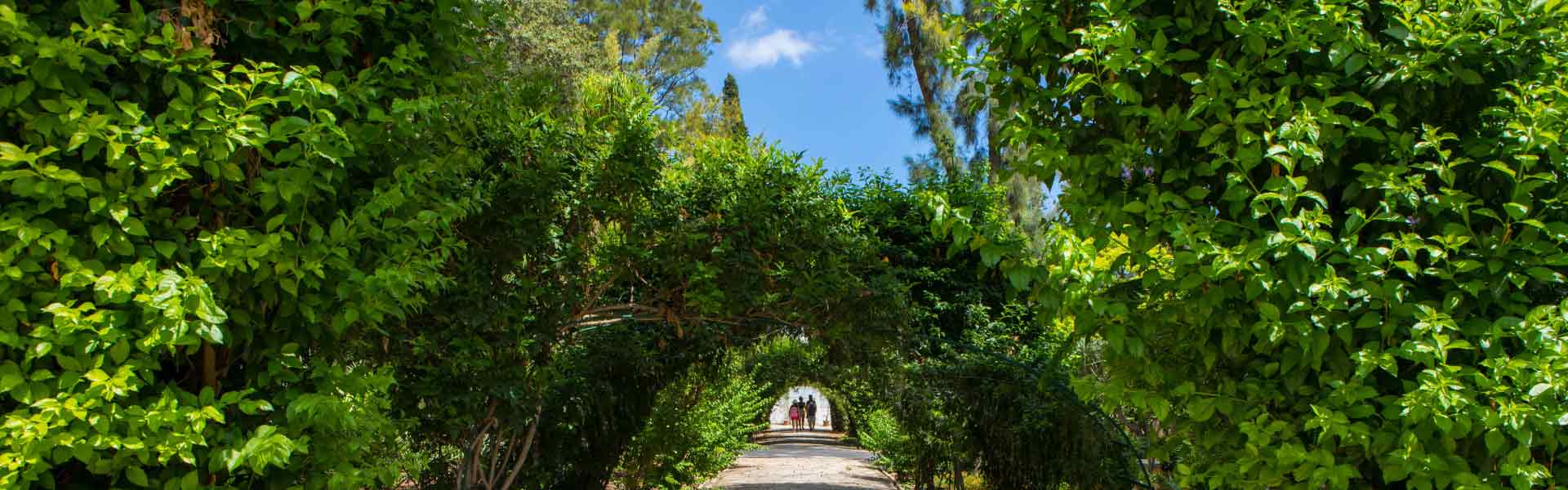
The air is finally warming up, the birds are chirping their little hearts out, and you cannot walk down the street without someone sneezing all over you. Ah, spring in Malta truly is magical. And what better way to enjoy the season than wandering among the flowers and trees of one of the island's many gorgeous gardens?
Malta may be famous for its sun and sea, but it also hides a surprising number of green pockets where you can escape the busy streets, soak up some calm and recharge. Here are five of the most loved gardens on the island, along with a little history and everything you need to plan your visit this spring.
San Anton Gardens
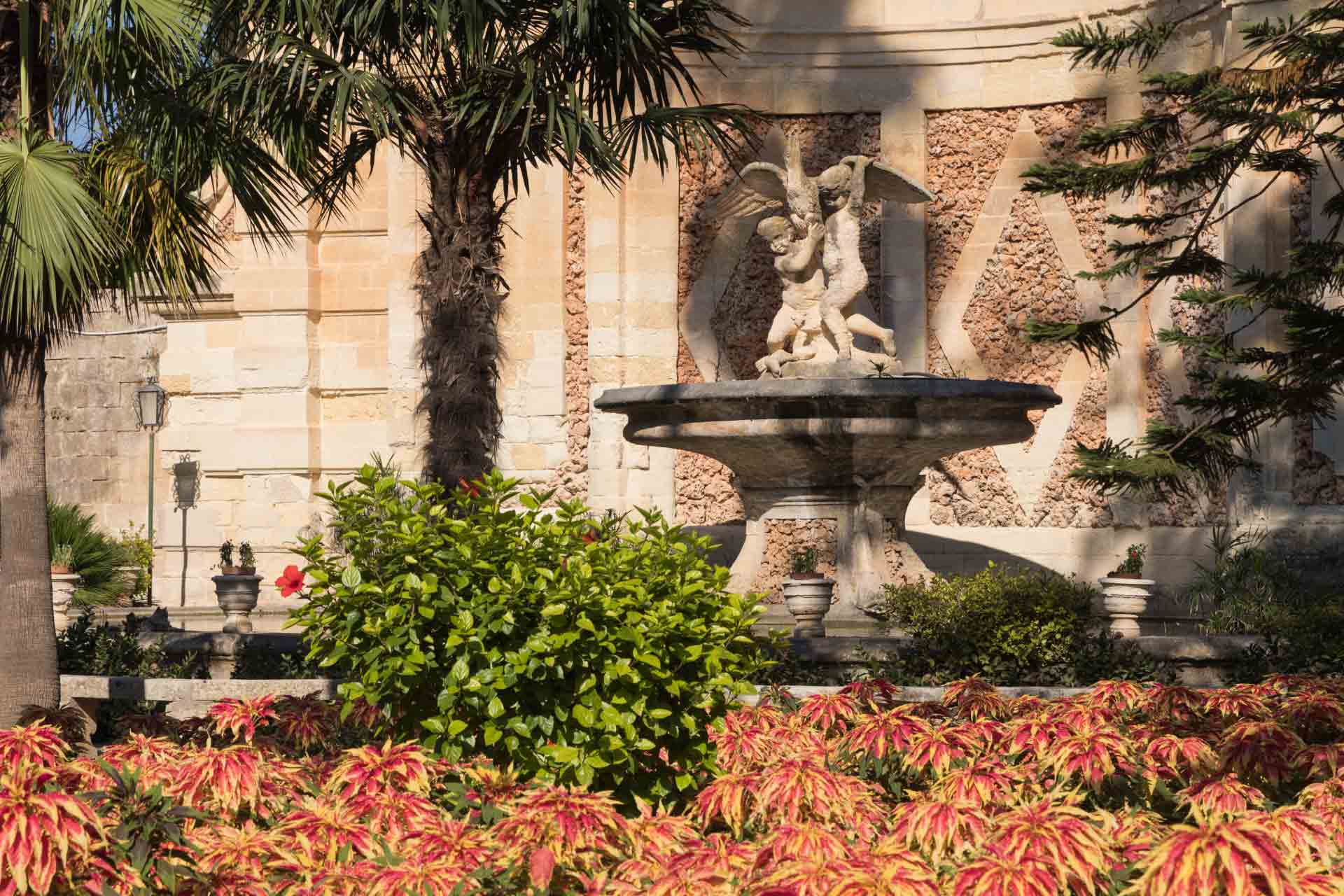
As the garden of the Maltese President's official residence, San Anton Gardens is arguably the grandest botanical spot on the island. With trees and plants gathered from all over the world, some of them over 300 years old, it is certainly one of the oldest too.
Its story begins in the early 1600s, when Antoine de Paule, a knight of the Order of St John, built a country villa here. He later expanded it into the palace that still stands today after he became Grand Master in 1623. The palace went on to serve as the official residence of the British Governor from 1802 until 1964, and it was during this period, in 1882, that the gardens were first opened to the public.
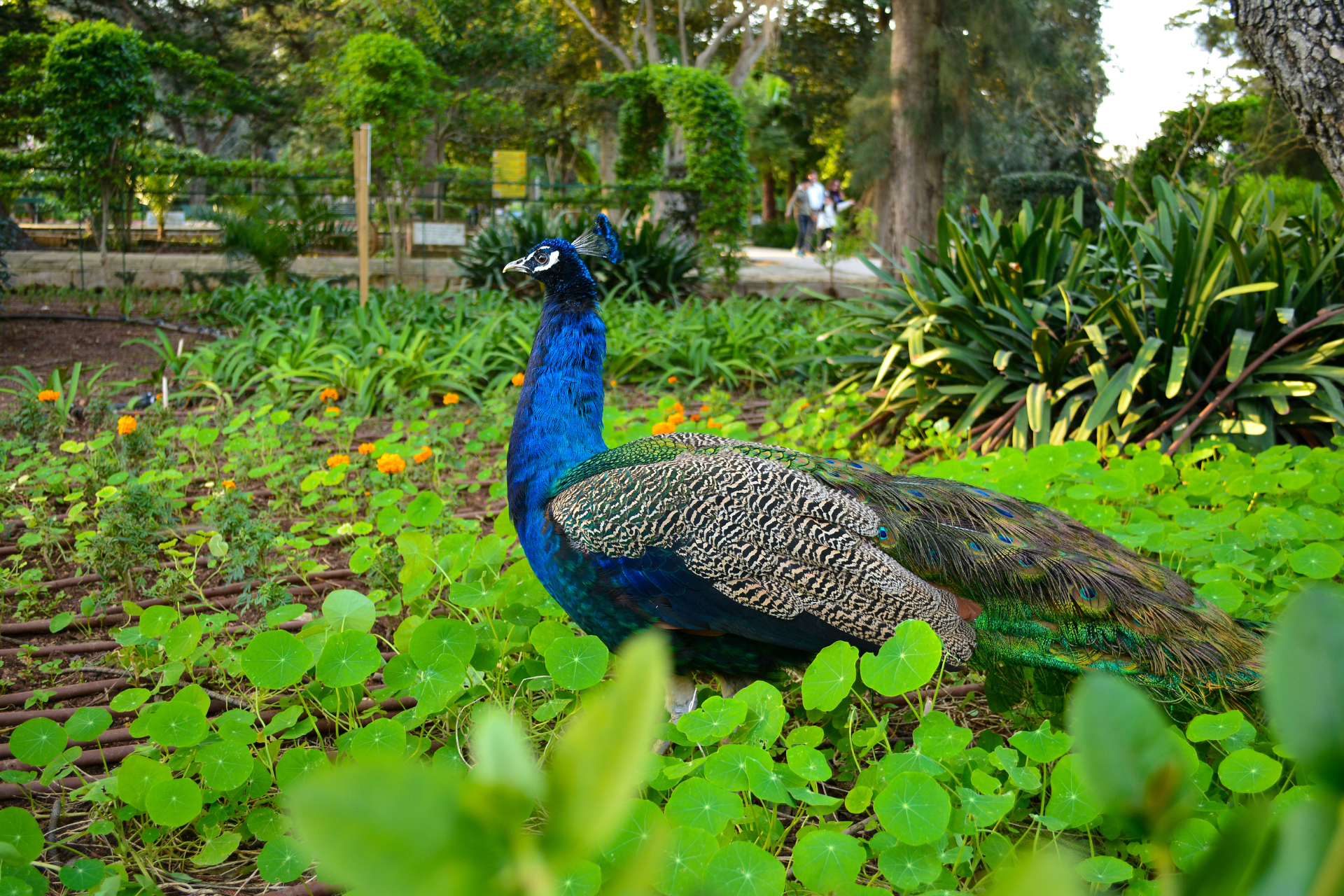
There is far more to discover here than towering trees and brightly coloured flowers. Every pathway leads to something new: ornate fountains, historic monuments, handsome architecture, ponds full of ducks and turtles, and the famous peacocks that strut freely around the grounds. San Anton Gardens is open to the public free of charge every day, from the morning until early evening, which makes it a perfect spot for a relaxed spring stroll.
Msida Bastion Historic Garden
Grand Master Antoine de Paule was also behind this next green gem, set within what was once St Philip's Bastion in Floriana.
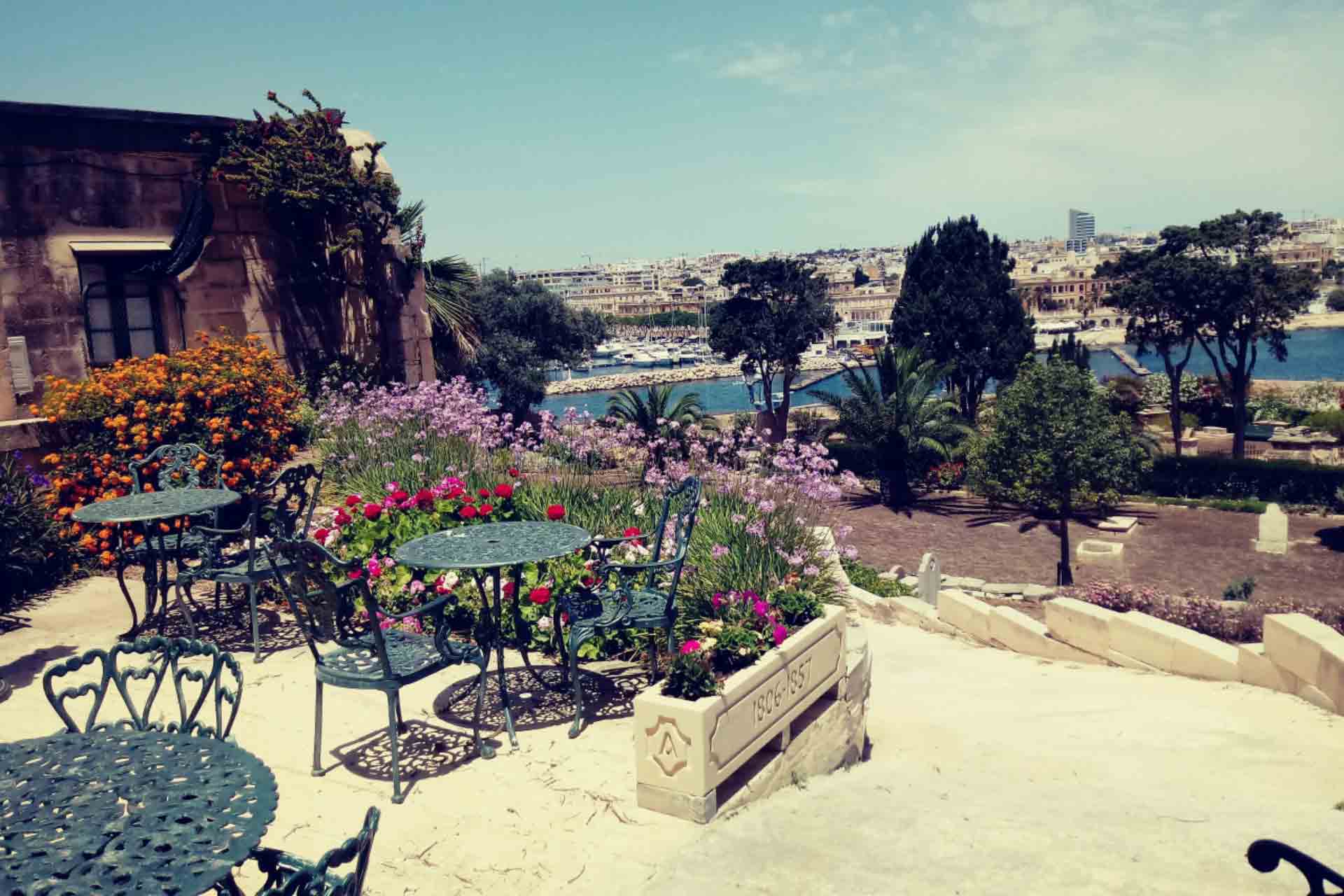
This garden has a genuinely fascinating past. Before it became the peaceful spot it is today, it served as the Msida Bastion Cemetery. From 1806 to 1856 it was a Protestant burial ground, the resting place of British civil and military figures as well as others who were not Catholic. It is also famous as the burial site of Mikiel Anton Vassalli, known as the father of the Maltese language.
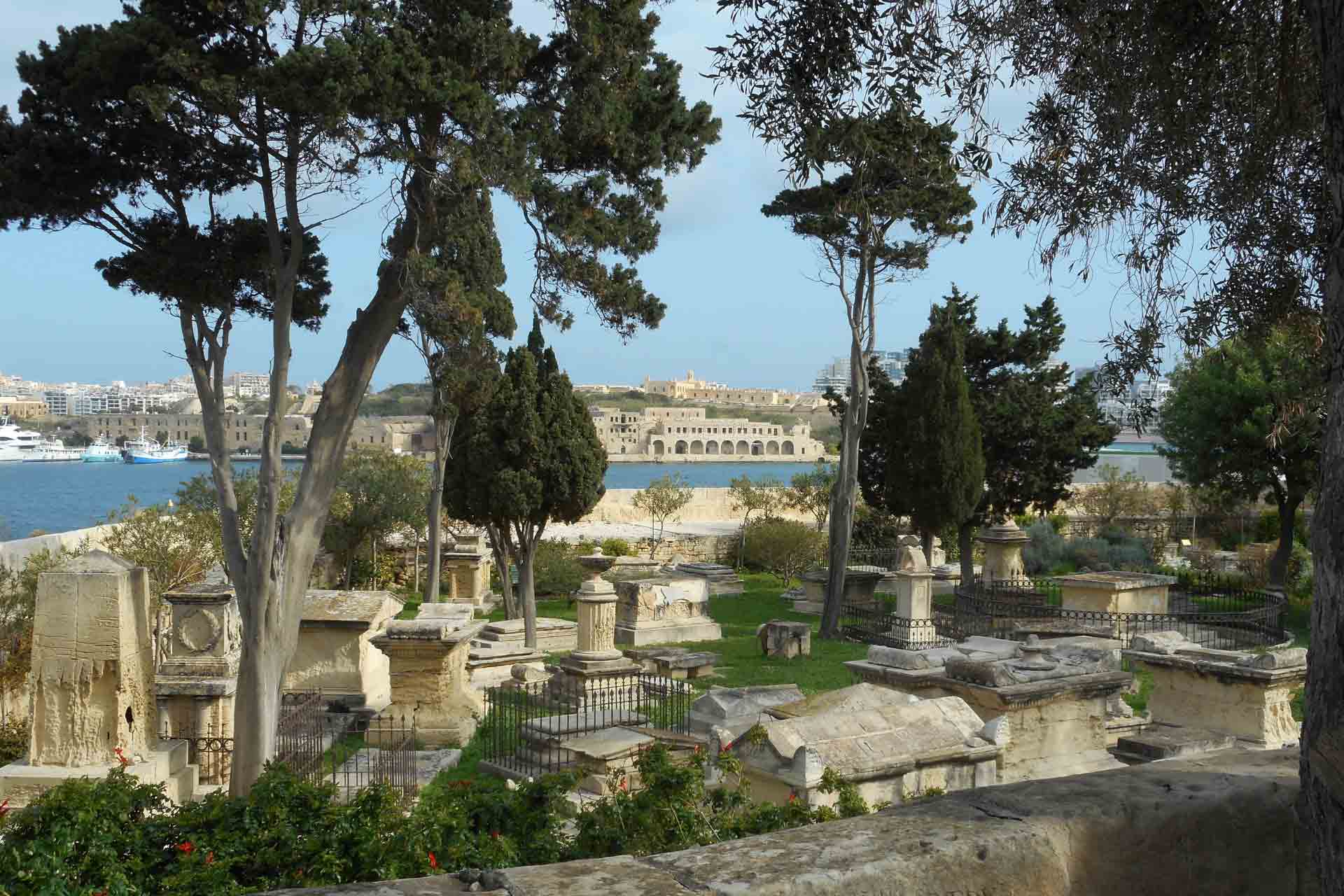
The bastion suffered heavy damage during the Second World War and the cemetery was left abandoned for years. In 1988, restoration work began, carried out by the heritage organisation Din l-Art Helwa, and in 2002 the project earned a Silver Medal from Europa Nostra, the first award of its kind to be received in Malta.
Though it is dotted with marble headstones and elegant neoclassical monuments, the garden feels calm and serene rather than eerie. Visitors can enjoy lovely views over Pieta Creek and the yacht marina. The garden is open on Monday through to Saturday, as well as the first Sunday of each month, from 9.30am to noon. A small admission fee applies on most visits; the first Sunday of the month may be free.
Sa Maison Gardens

Not far from the Msida Bastion garden lies Sa Maison Gardens, a verdant hideaway that surprisingly few people seem to find.
Its layout is unlike anything else on the island, spread over five levels of bastions and ramparts, with plenty of native plants and historical features to explore on each tier. The highlight at the very top is the Gardjola, a charming stone watchtower used by regiments of the British Army. You can still spot a number of regimental crests carved into the garden walls, along with a miniature stone castle dedicated to the 2nd Battalion of the Essex Regiment.
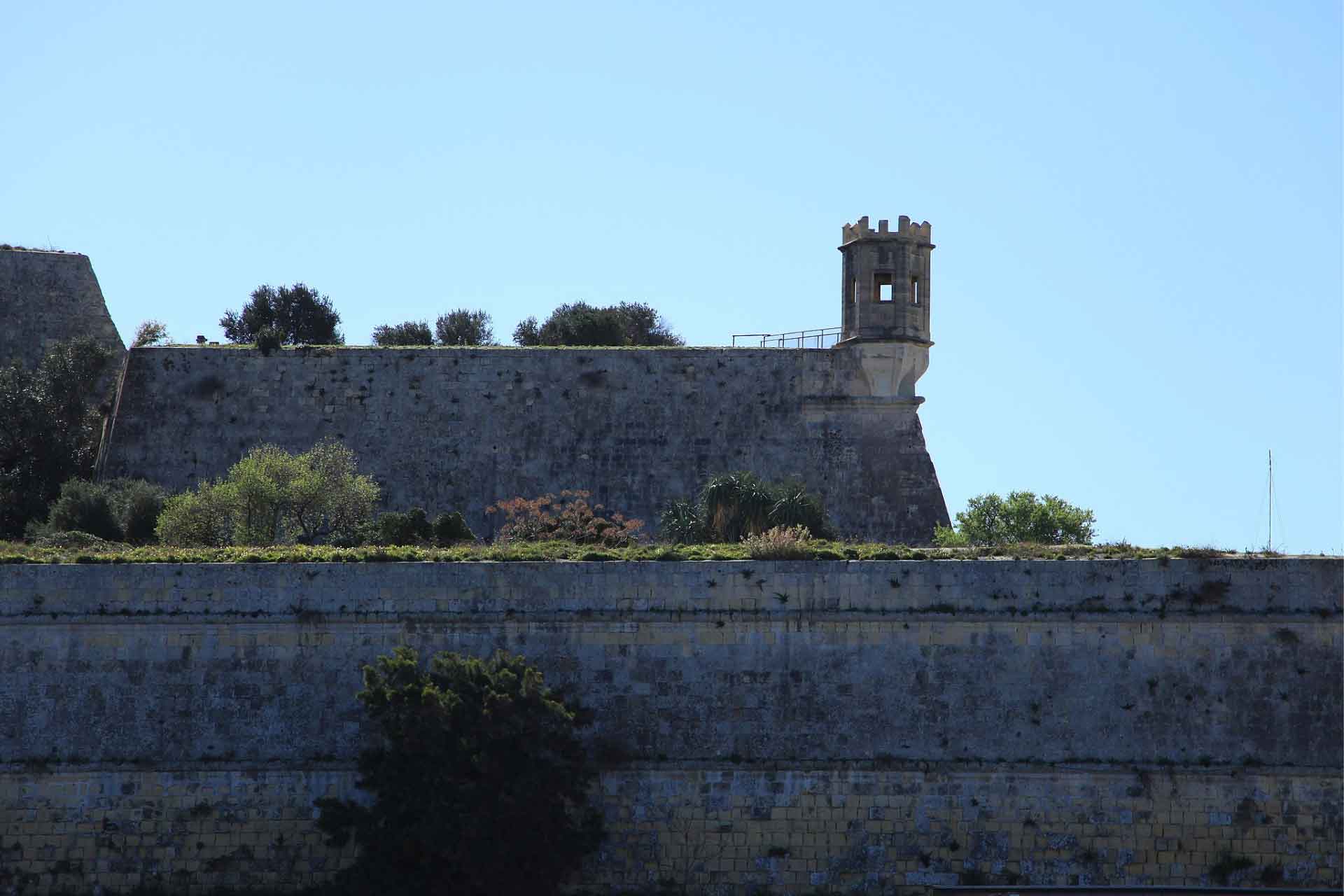
The garden is widely thought to have been built by Chevalier Caille Maison in the mid 18th century as a shooting lodge, which is where the name Sa Maison comes from. One published investigation suggests that Fra Giovanni Minucci, a member of the Italian Langue of the Order of St John, may have been the original owner of the land, though this has not been widely confirmed. What is well established is that Lady Julia Lockwood resided here from 1842 to 1856, earning the garden its affectionate Maltese name 'il-Gnien tal-Milorda', meaning her Ladyship's garden. The military then used it as an observation post for Marsamxett Harbour until 1903, when the Civil Government took it over and it eventually became a public garden.
Every level of Sa Maison Gardens is open to the public, free of charge, every day from the morning until early evening.
Romeo Romano Gardens
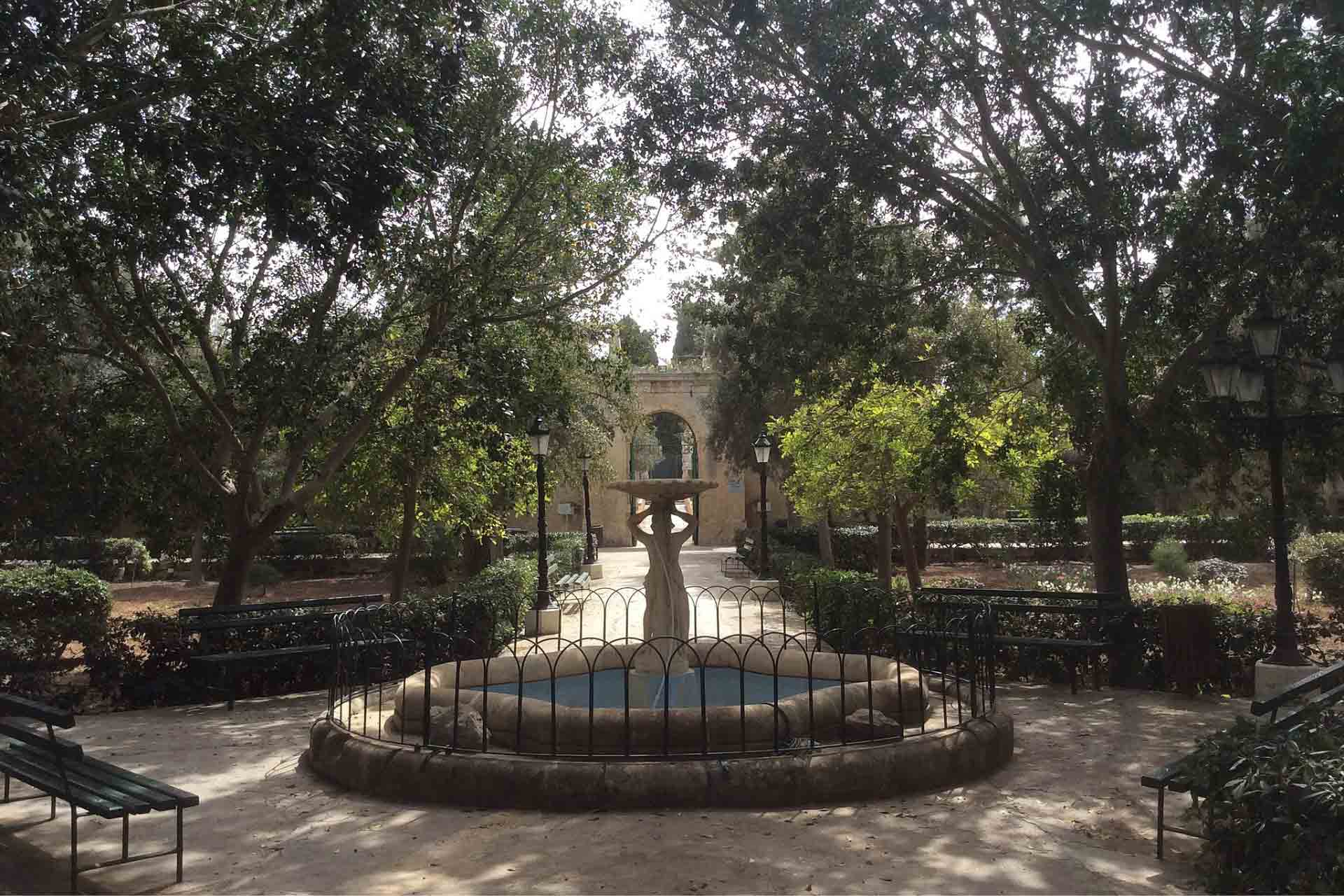
Tucked away amid the busy streets of Santa Venera, the Romeo Romano Gardens offer a welcome escape for residents and visitors alike. This 18th century baroque oasis originally served as the back garden of Casa Leoni, also known as Palazzo Manoel, built in 1730 by Grand Master Manoel de Vilhena as a summer residence.
That grand purpose helps explain why these are one of the largest gardens on the island, second only to San Anton. The design reflects it too, with a central pathway leading up to the palazzo and various side paths branching off to distinct, equally beautiful sections.

The gardens took the name Romeo Romano when they were opened to the public in 1977. In recent years they have been given a major refresh: a previously closed section has been restored and reopened, the historic sienja, a 19th century water lifting device, and an underground reservoir have been conserved, and a children's playground along with rows of new citrus trees have been added.
It is wonderfully calming to experience the quiet within these walls despite the bustle just outside, so it is no surprise the gardens are also home to a contented community of street cats looking for a little affection. You can enjoy it for yourself every day, from early morning until late evening.
Buskett Gardens
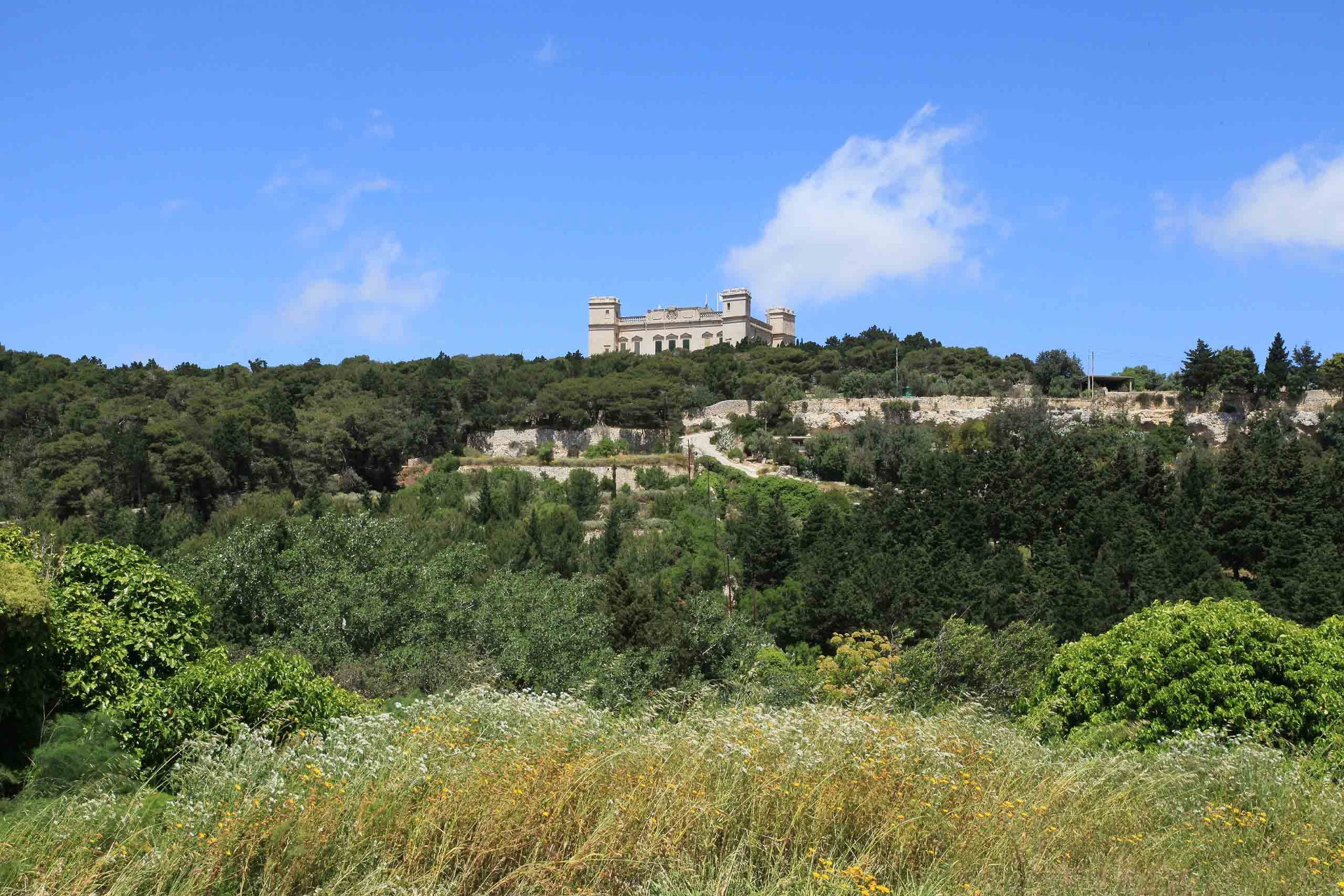
Of course, no list of Malta's best gardens would be complete without the largest and most popular of them all: Buskett Gardens. Some would argue it is more of a woodland than a garden, and given its size they would have a point, although its name, from the Italian word boschetto, meaning a small wooded area, suggests otherwise.
Almost every tree here was planted by the Knights of St John, who cleared the area for farming and shipbuilding before replanting it as hunting grounds in the mid 1500s. The hunting lodge on the site was later expanded into Verdala Palace in 1586, which today serves as the President's summer residence.
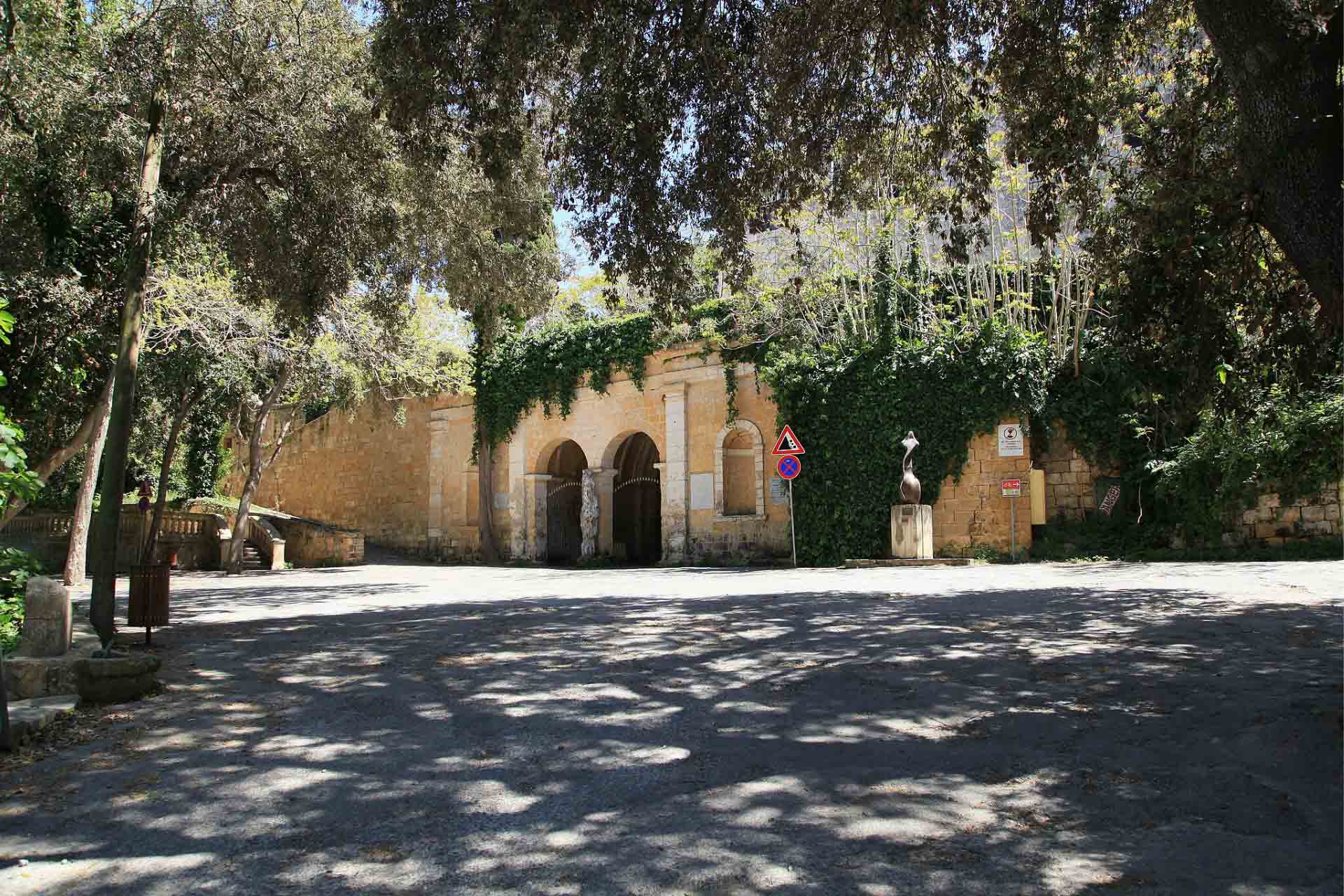
The result is a wonderfully biodiverse green space, alive with a mix of native and introduced trees, plants and wildlife, that draws hundreds of locals and visitors looking for peace or a little adventure. Buskett is open to the public around the clock and is the perfect place to lose yourself and switch off from the world for a while. The one day to avoid is 29 June, when the woodland fills with crowds celebrating L-Imnarja, one of the most beloved festivals in the Maltese calendar.
Whichever you choose, spring is hands down the best time to enjoy Malta's gardens, while everything is in full bloom and the weather is just right. For more ideas on making the most of the season, take a look at our Activity section.